Soft tissue
Soft tissue means structures such as tendons, ligaments, muscles and other non-bony tissues. Soft-tissue injuries can cause lameness and may need ultrasound or MRI to investigate.
Soft tissue means structures such as tendons, ligaments, muscles and other non-bony tissues. Soft-tissue injuries can cause lameness and may need ultrasound or MRI to investigate.
The source of pain is the area or structure causing discomfort and contributing to the lameness. Identifying it helps your vet choose the most appropriate treatment, imaging or next step.
Standing MRI is an MRI scan performed while the horse is standing, usually with sedation, rather than under general anaesthetic. It can provide detailed images of certain lower-limb areas.
A static examination is the part of the lameness exam where your vet assesses the horse standing still before watching them move. It can reveal clues such as swelling, conformation, muscle symmetry, heat or pain.
Subtle lameness is lameness that is hard to see all the time and may only show in certain situations. It can be mistaken for stiffness, behaviour, lack of fitness or a training issue.
Transitions are changes between gaits or movements, such as walk to trot, trot to canter, slowing down or moving off again. Difficulty or reluctance in transitions can be a subtle sign of discomfort.
A trot-up is a simple in-hand assessment where the horse is walked or trotted, often in a straight line, so the vet can watch how they move and compare changes.
Ultrasound is an imaging technique that uses sound waves to look at soft tissues such as tendons, ligaments and muscles in real time. It is commonly used to investigate and monitor soft-tissue injuries.
This quiz is educational, not diagnostic. It helps you check what you already know and learn what vets often ask owners to look for.
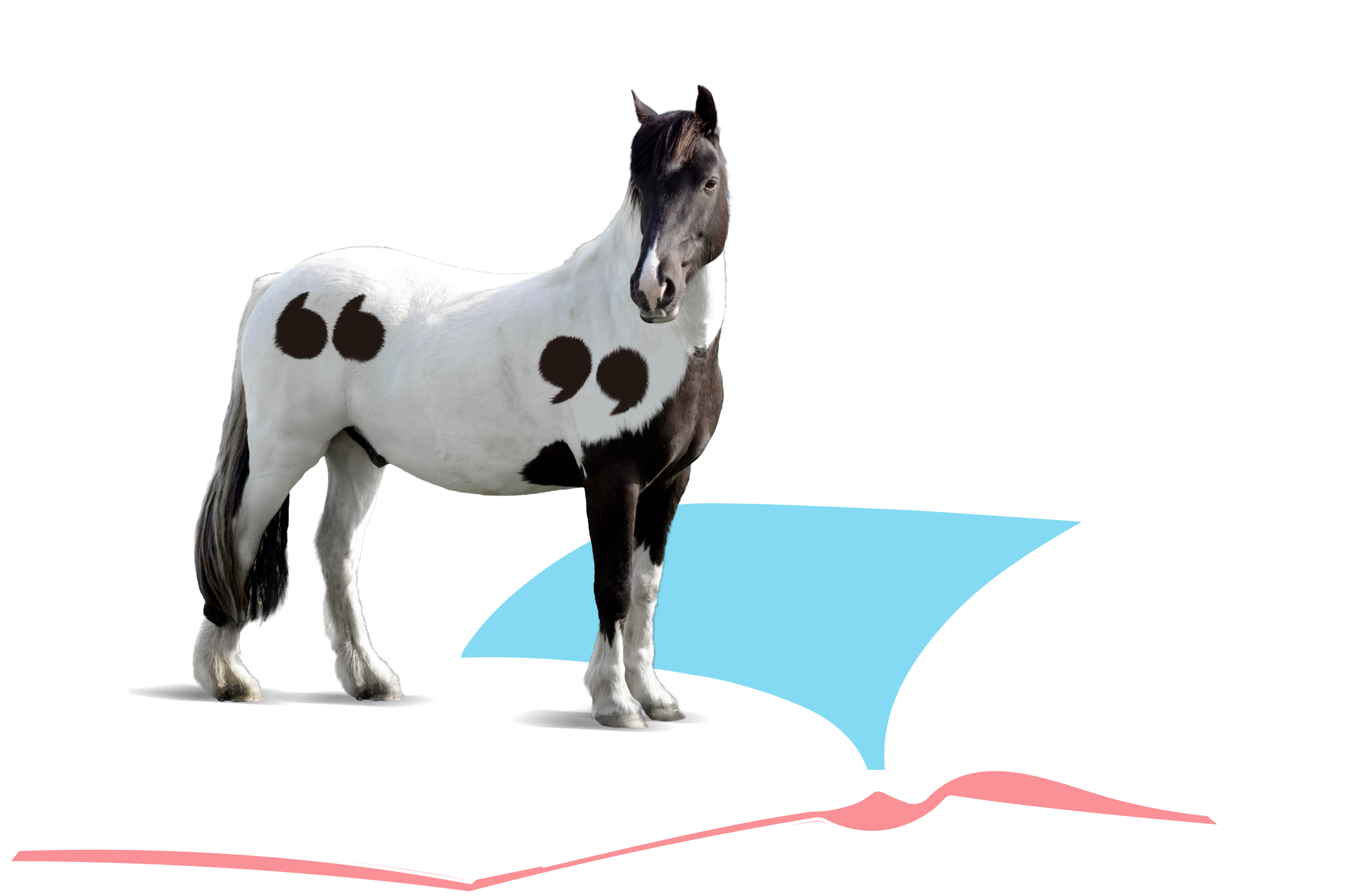
Owner-first guides to help you notice patterns, reduce worry and feel prepared for your next vet visit.

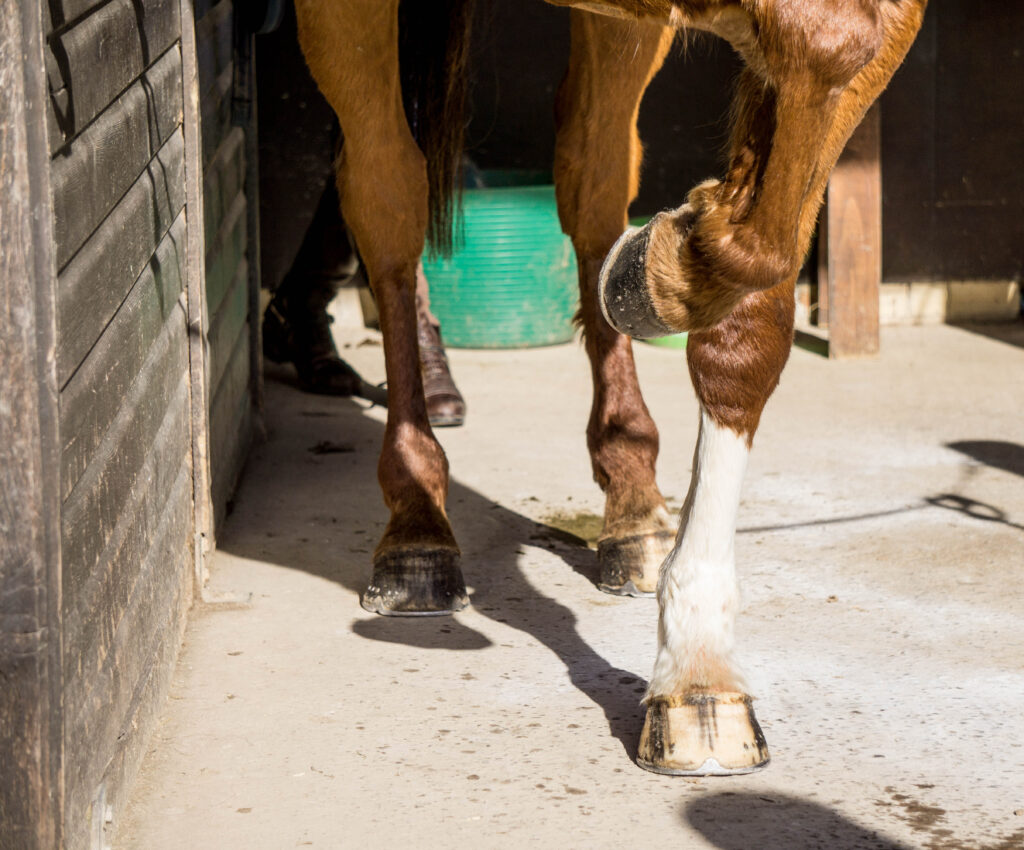
When weighing up the true value on an equine MRI remember, the cost of an MRI is easy to see but the cost of not having one is the one worth thinking about.

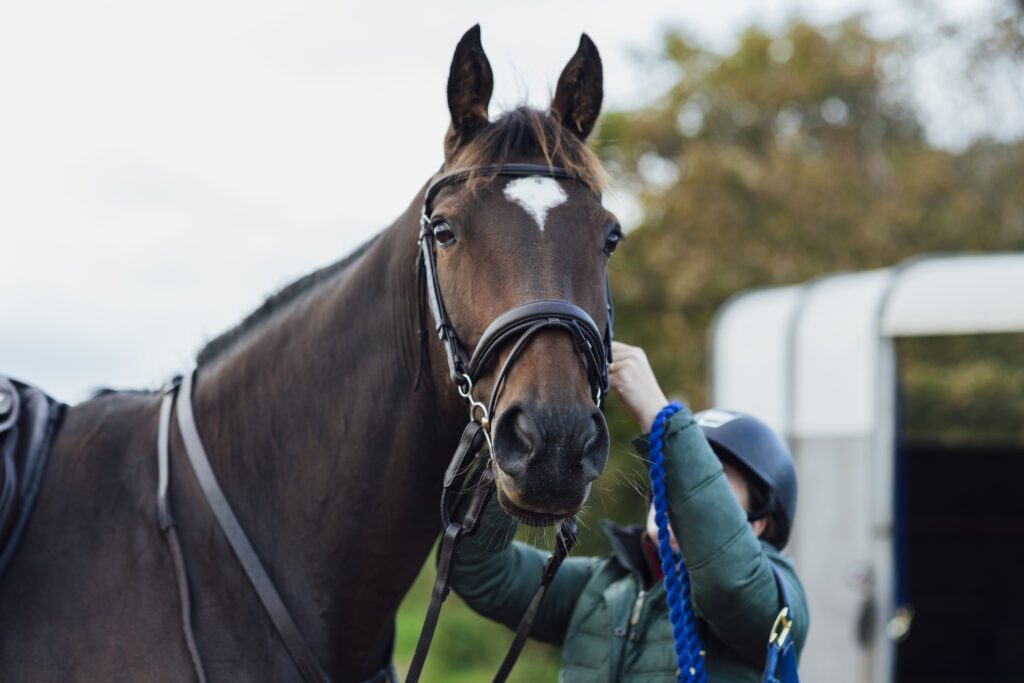
As the seasons change and many horses return to a fuller workload, autumn presents the perfect opportunity to take stock of your horse’s soundness.

Treating without diagnosing can work. But it can also mean months of time, money and effort spent managing a problem rather than solving it, while the underlying cause quietly becomes harder to treat.