Are you autumn ready?
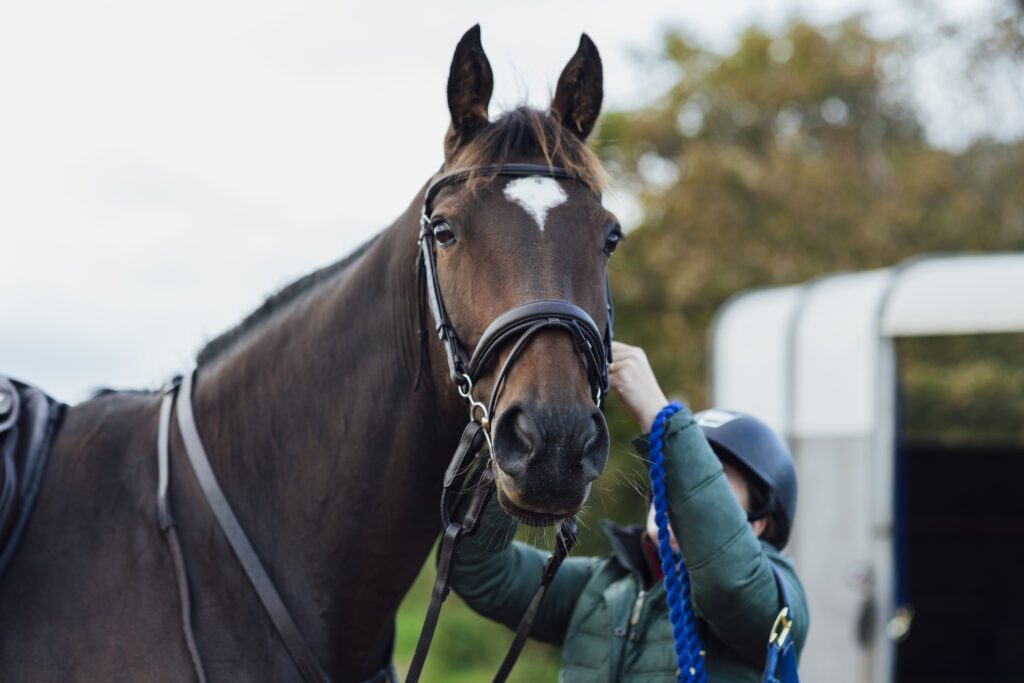
As the seasons change and many horses return to a fuller workload, autumn presents the perfect opportunity to take stock of your horse's soundness.


The Knowledge Hub is where you can go a level deeper into lameness, one topic at a time, without feeling overwhelmed. Each article focuses on a specific part of the lameness picture, from what your vet is looking for in a trot up and on the lunge, to why they ask certain questions, how conformation can influence movement and what tests like flexions or hoof testers are trying to tell them.
You will also find practical guides to next steps in a work-up, including why imaging might be suggested. The aim is simple: help you build a clearer mental map of the process, so you can describe what you are seeing in your horse, understand the options being discussed and feel confident asking the right questions at the right time.
As the seasons change and many horses return to a fuller workload, autumn presents the perfect opportunity to take stock of your horse's soundness.
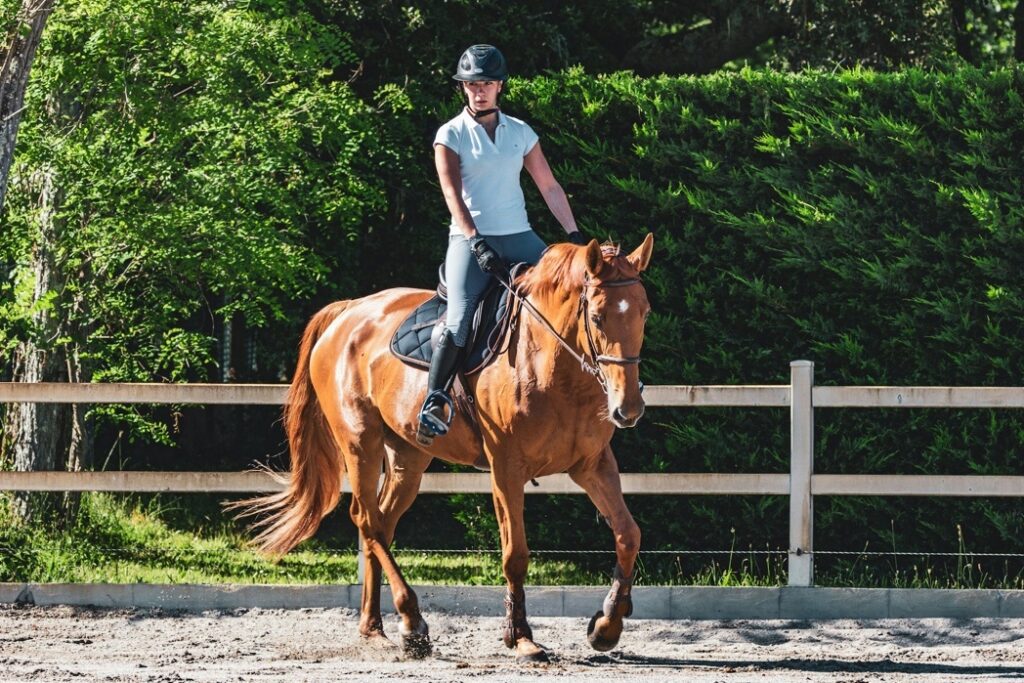
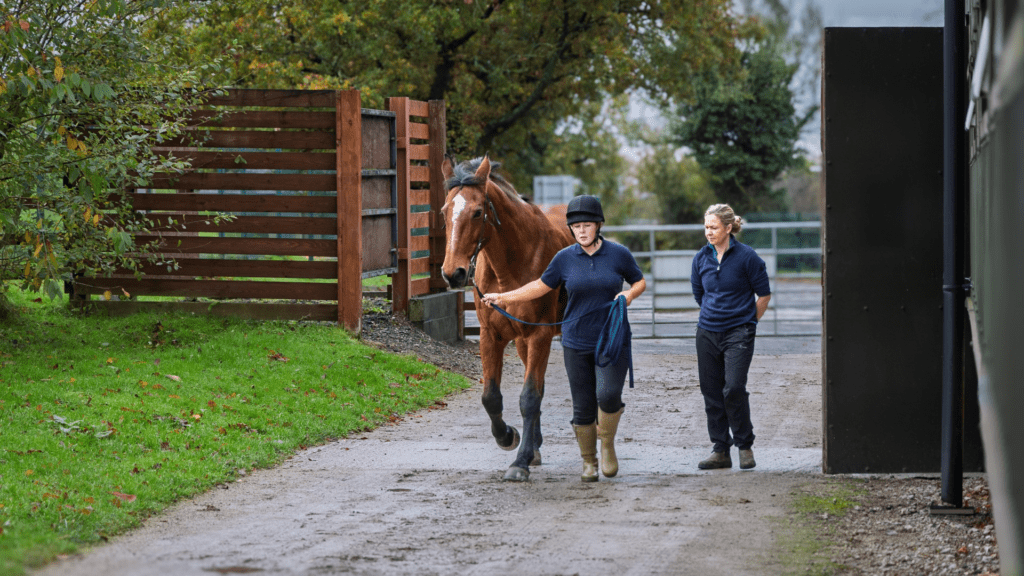
The real value of lameness diagnosis in horses is not just knowing what’s wrong but knowing what to do next. Once the source of pain is identified, you and your vet can work together on a treatment plan for your horse's safe return to work.

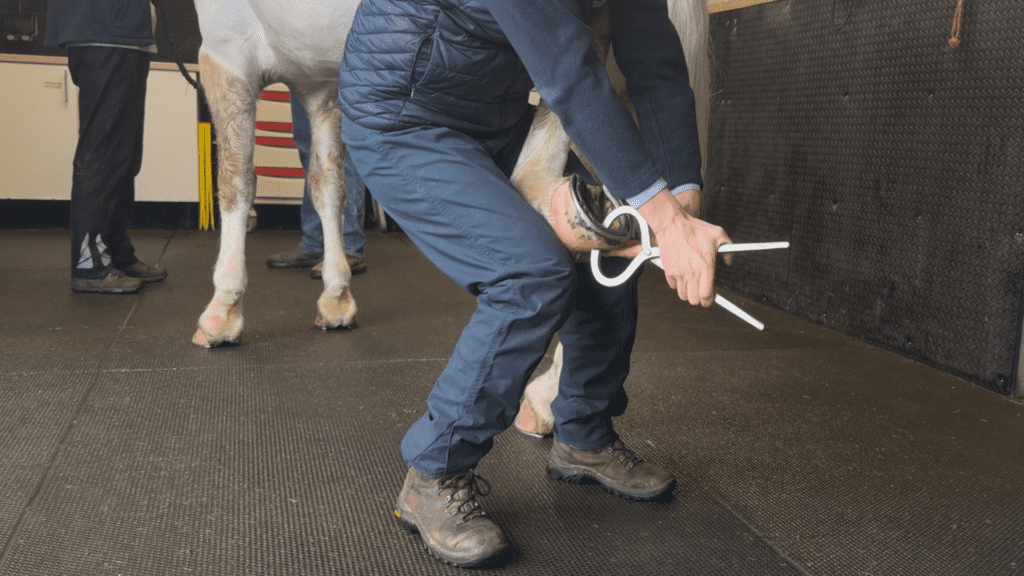
When vets measure lameness, they’re doing one main thing: turning a gut feeling into a clear picture they can track, compare and use to decide what to do next. It’s not usually one magic number. It’s a story built from a few reliable clues.

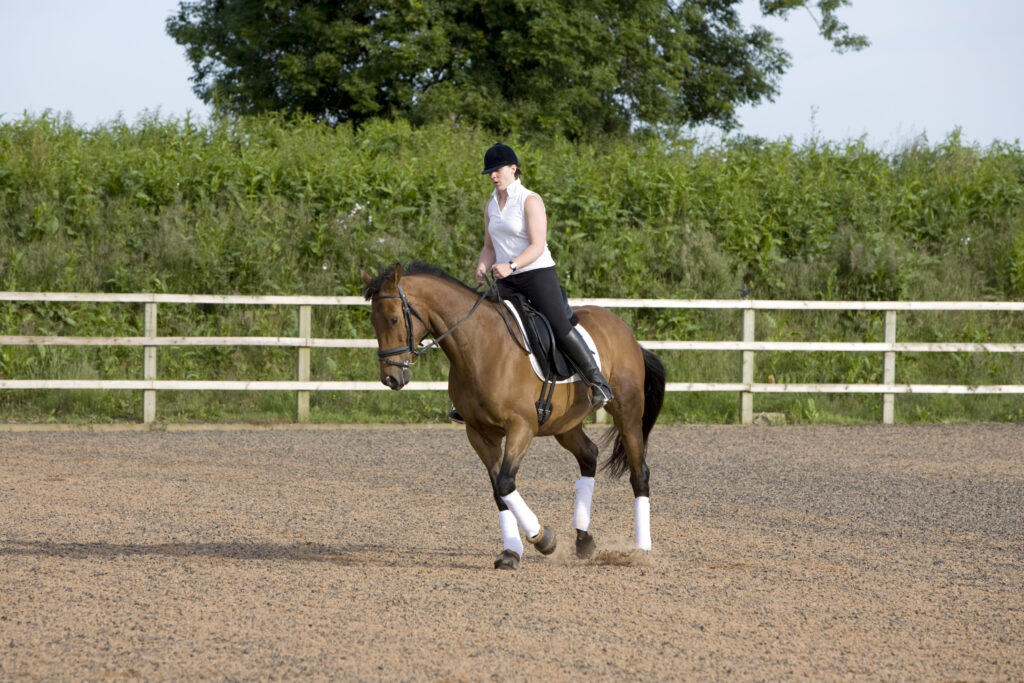
Treating without diagnosing can work. But it can also mean months of time, money and effort spent managing a problem rather than solving it, while the underlying cause quietly becomes harder to treat.

Find out more about TalkLameness
Welcome to Talk Lameness where we help you get to know your horse, observe what you see, take notes and have that conversation with your vet.
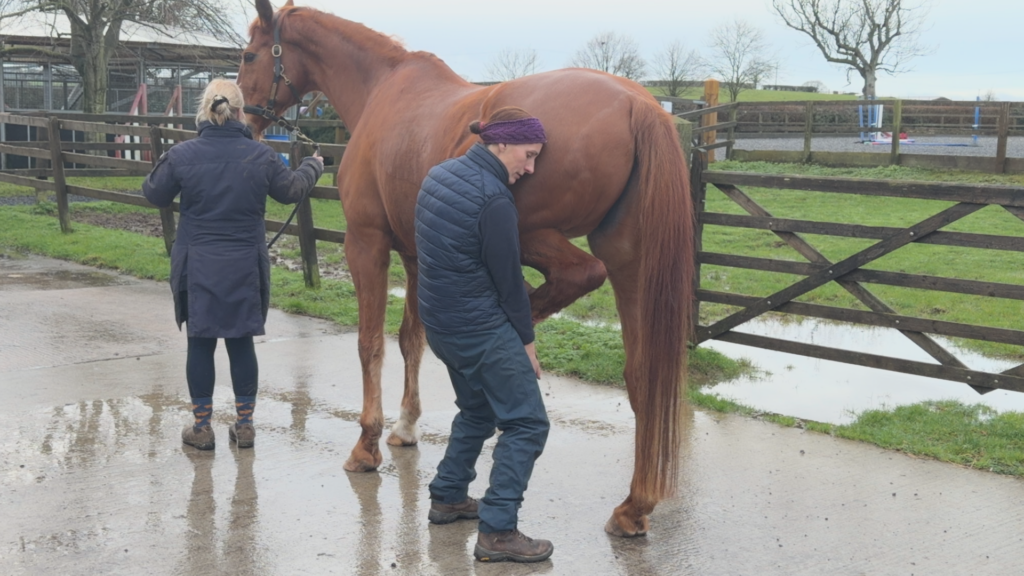
Webinar
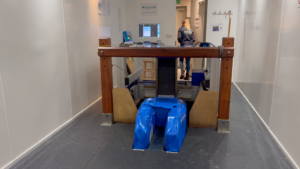
If you've ever wondered what acquiring an MRI study in a standing horse entails, then you've come to the right place. Thanks to Oakhill Equine Vets, we lead you through the prep a horse goes through before the study and then the process of acquiring the study itself.
Webinar
If you've ever wondered what acquiring an MRI study in a standing horse entails, then you've come to the right place. Thanks to Oakhill Equine Vets, we lead you through the prep a horse goes through before the study and then the process of acquiring the study itself.
Webinar
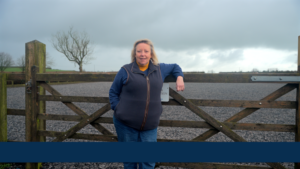
William Fox-Pitt’s Head Groom Behind every great event rider, there’s a team — and at the heart of William Fox-Pitt’s operation for around three decades has been his head groom, Jackie Potts. Jackie didn’t take the traditional route into the horse world. She started riding at age ten, when a friend asked her along to
Webinar
William Fox-Pitt’s Head Groom Behind every great event rider, there’s a team — and at the heart of William Fox-Pitt’s operation for around three decades has been his head groom, Jackie Potts. Jackie didn’t take the traditional route into the horse world. She started riding at age ten, when a friend asked her along to
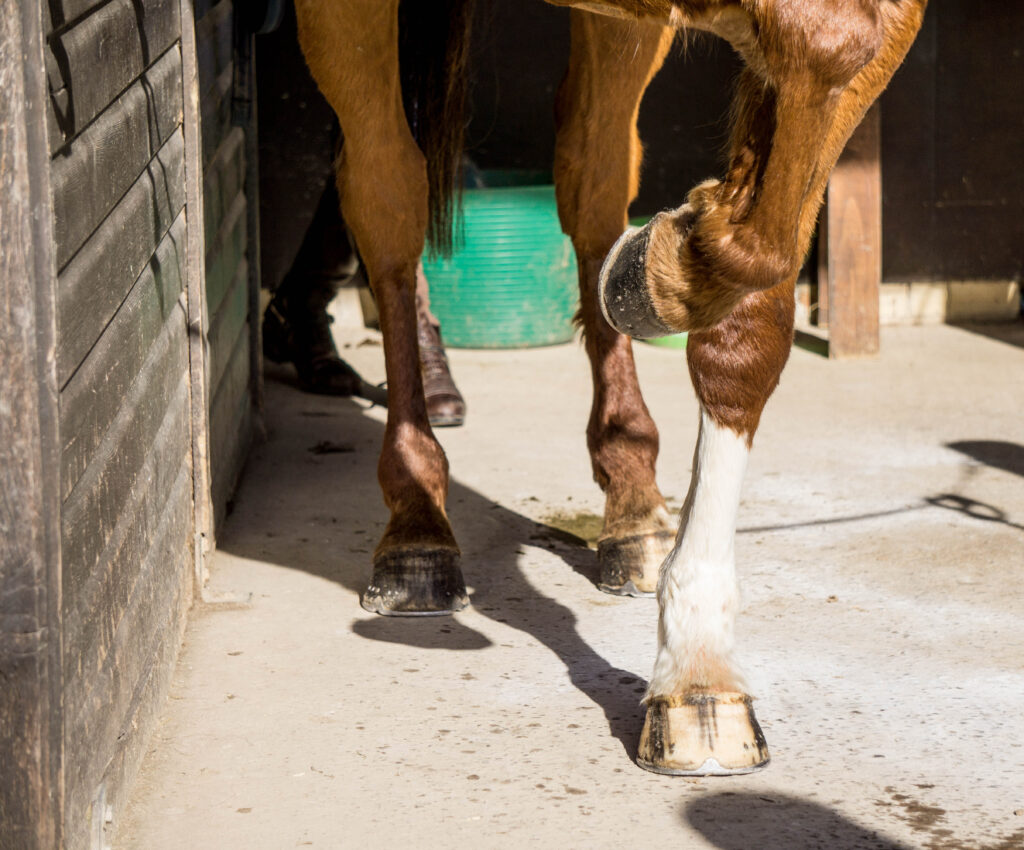
When weighing up the true value on an equine MRI remember, the cost of an MRI is easy to see but the cost of not having one is the one worth thinking about.
As the seasons change and many horses return to a fuller workload, autumn presents the perfect opportunity to take stock of your horse's soundness.
Treating without diagnosing can work. But it can also mean months of time, money and effort spent managing a problem rather than solving it, while the underlying cause quietly becomes harder to treat.
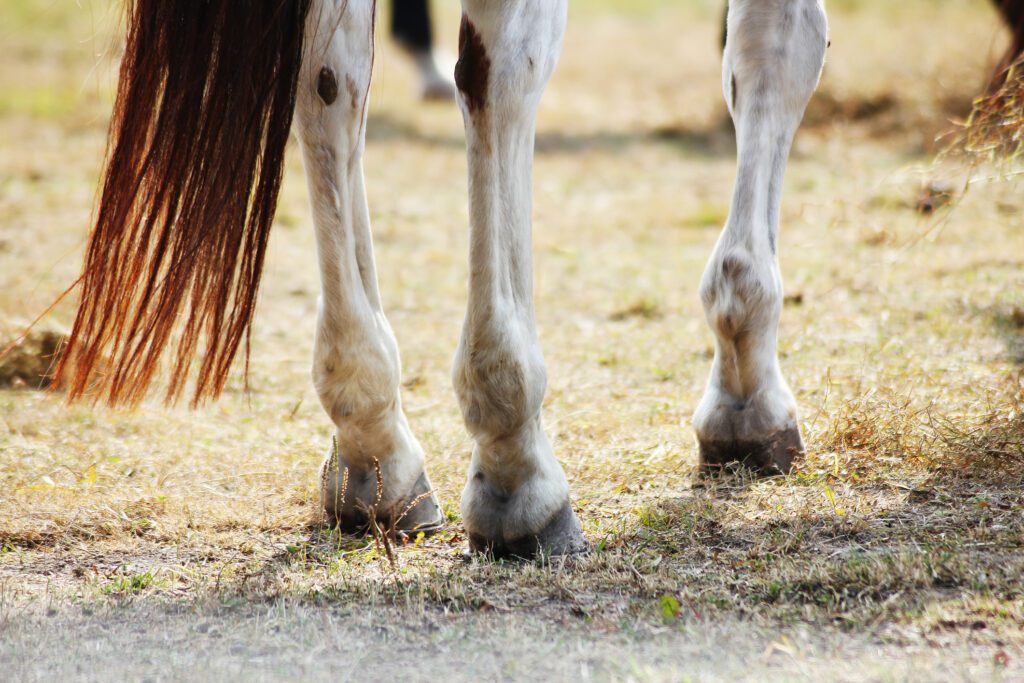
Proximal suspensory injuries are a common cause of lameness and poor performance in horses. Clinical signs can vary depending on whether the forelimbs or hindlimbs are affected, and a thorough lameness examination is essential to localise the source of pain.
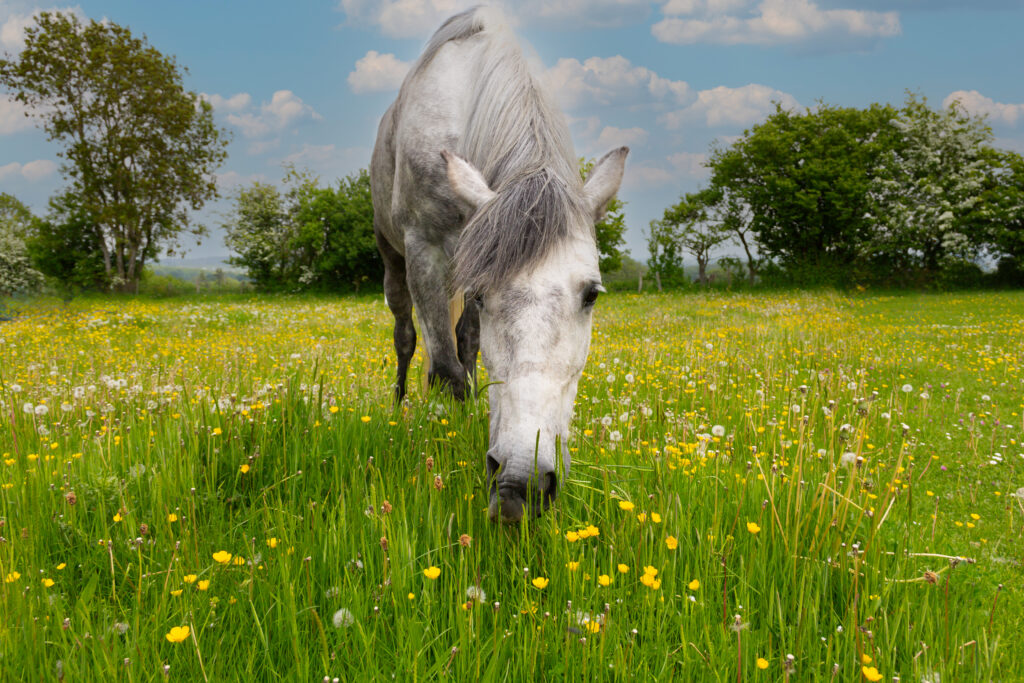
There's a particular feeling that arrives in the spring: the mornings get lighter, the yard smells of wet earth and new grass and suddenly you want to do more with your horse. After months of short days, heavy going and limited riding, spring feels like permission to start again.
When vets measure lameness, they’re doing one main thing: turning a gut feeling into a clear picture they can track, compare and use to decide what to do next. It’s not usually one magic number. It’s a story built from a few reliable clues.
The real value of lameness diagnosis in horses is not just knowing what’s wrong but knowing what to do next. Once the source of pain is identified, you and your vet can work together on a treatment plan for your horse's safe return to work.
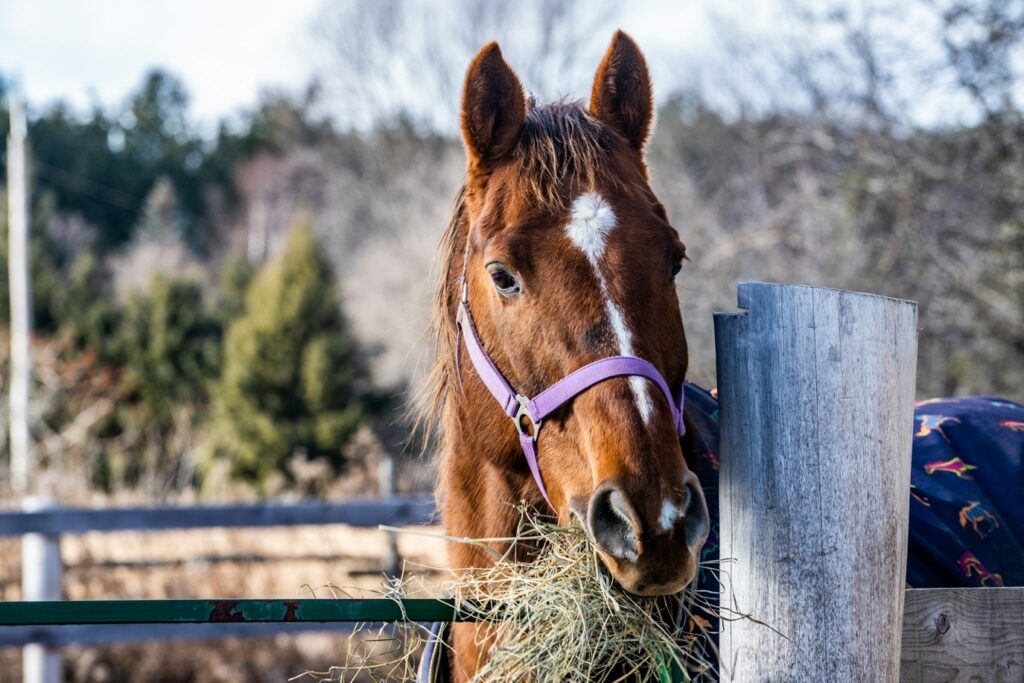
In 5 things to discuss with your vet, we help prepare you for a conversation about your horse's lameness. Noting your observations and listing any concerns - in advance of your visit - will be invaluable in helping your vet reach a diagnosis.
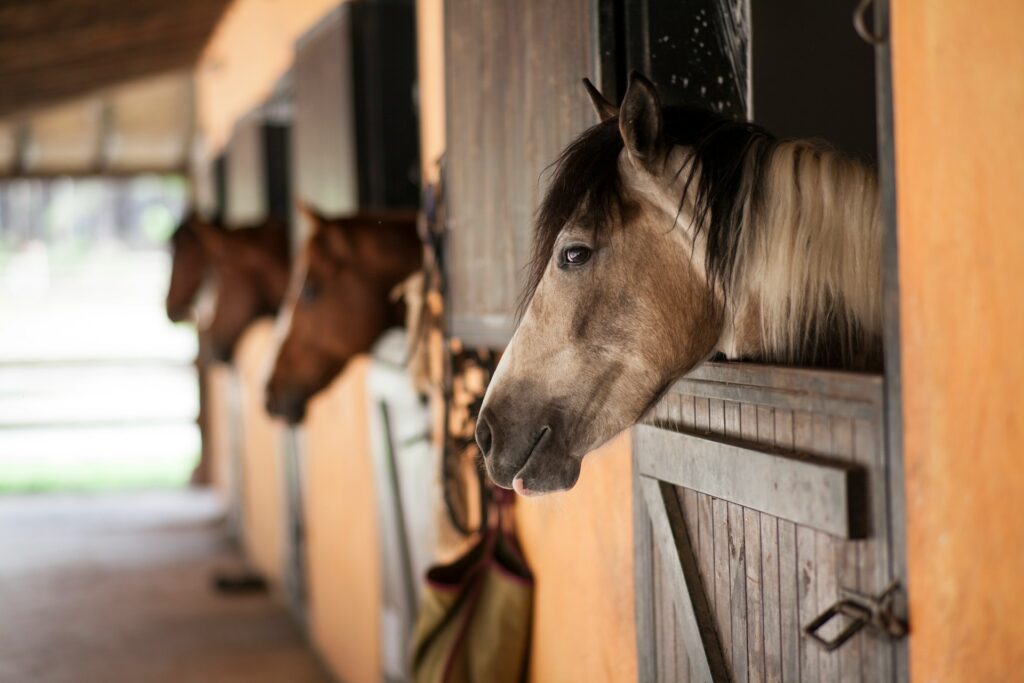
Age can help shape the probable causes of lameness and guide the next steps in diagnosis and care. Recognising symptoms and patterns that are normal for your horse and those that signify something more serious or that needs attention, will help you and your vet in getting the right answers, without guesswork.

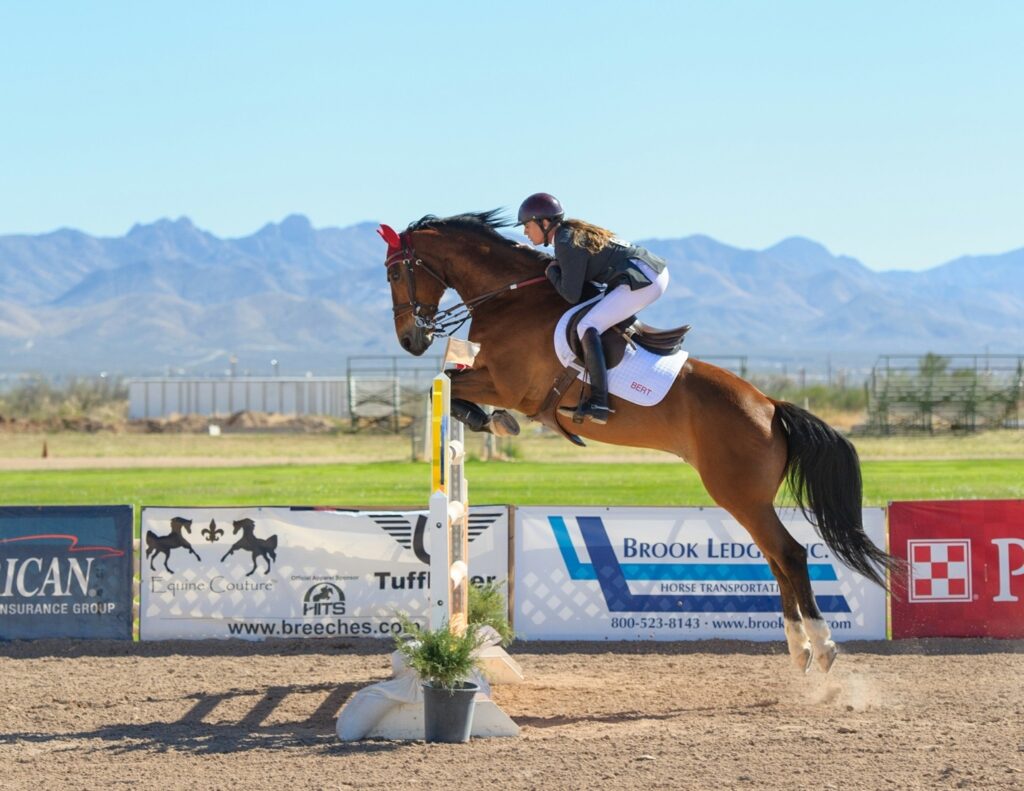
Myths about lameness abound, especially when people are not armed with the facts. If lameness were always obvious, none of us would spend weeks second guessing what we’re feeling under saddle. Lameness can be subtle, inconsistent and frustratingly hard to describe. That is why myths take hold! They give simple answers to something that is rarely simple.