
Why now is the time to check your horse for subtle signs of lameness
As the seasons change and many horses return to a fuller workload, autumn presents the perfect opportunity to take stock of your horse’s soundness. Whether you’ve enjoyed a quieter summer of hacking, turnout or lighter competition plans, increasing work levels without first checking how your horse is moving can sometimes allow subtle problems to become more significant issues.
The good news? Lameness doesn’t always start with an obvious limp. In fact, many of the earliest signs can be so subtle that they’re easily mistaken for training issues, fitness challenges or even changes in temperament. That’s why taking a few moments to observe your horse carefully before winter workloads begin could make a real difference to their comfort, performance and long-term wellbeing with earlier investigation often leading to a better outcome for the horse.
Why autumn deserves special attention
Autumn often marks a transition period for horses across the UK. Competition schedules may be changing, hunting preparations may be underway, and many owners are looking to make the most of the riding season before shorter days and winter weather arrive.
This year’s conditions bring an additional consideration. Following one of the hottest UK summers on record, many horses have spent weeks exercising on firmer ground than usual. Hard ground can increase concussive forces through the hooves and lower limbs, while the arrival of autumn rain introduces a new set of underfoot conditions for horses to adapt to. This combination of increasing workload and changing ground conditions means paying close attention to how your horse feels and moves has never been more important.
While not every horse will experience a problem, building regular observation into your routine can help you spot small changes before they become larger concerns.
“After a summer which has been so hot and dry, a lot of horses will have been working on much harder ground than usual, and now owners are dealing with increasing workload and changing ground at the same time.”
Holly Johnson, Vet Surgeon
Five things worth watching for
One of the challenges with lameness is that it rarely announces itself dramatically in the early stages. Instead, horses often communicate discomfort in much quieter ways.
- A shortened or uneven stride
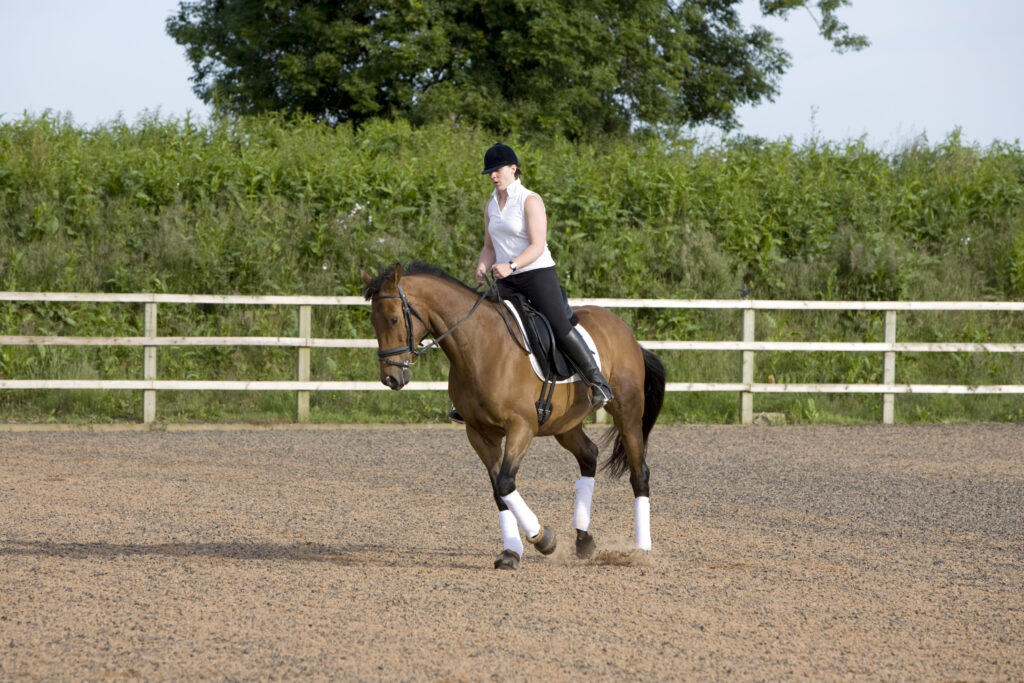
Has your horse started taking slightly shorter steps? Are they not tracking up as freely as normal? A change may be subtle at first, but comparing your horse’s movement over time can help identify patterns.
- Asymmetry when standing or moving
Horses are naturally symmetrical athletes. If you notice one shoulder, hip or hindquarter appearing to move differently, or your horse consistently standing in an unusual way, it’s worth paying attention.
- Changes in rhythm
A regular, balanced rhythm is one of the clearest indicators of comfortable movement. If your horse suddenly feels less fluent or develops inconsistencies in their gait, it may be worth investigating further.
- Reluctance in transitions or on particular surfaces
Perhaps your horse feels resistant when moving forwards, struggles with upward transitions, or seems less willing on one rein than the other. Some horses may also feel different on firm, soft or uneven ground.
- Changes in attitude
Behaviour can sometimes provide the earliest clue of all. A horse that becomes unusually stiff, sour, resistant or unwilling to work may be communicating physical discomfort rather than disobedience. Recognising these changes and considering their possible physical causes is an important part of responsible horse ownership.
When “not quite right” matters
Many owners describe the early stages of lameness as a horse who simply “isn’t quite right”. They may not be overtly lame, but they don’t feel as free-moving, willing or comfortable as they did previously. The challenge is that these signs are often attributed to schooling issues, fitness levels, seasonal changes or behavioural problems. While any of those factors may play a role, it’s equally important to keep physical comfort on the list of possibilities.
The information owners provide during those first conversations with their vet is hugely valuable and something that The British Horse Society also encourages. Being able to explain when the change began, what you’ve observed and whether it occurs in particular situations can help guide the next steps in assessment and diagnosis. The encouraging message is that you don’t need specialist equipment or extensive veterinary training to become better at spotting changes in your horse.
Try building a quick observational check into your routine:
- Watch your horse walk and trot in a straight line.
- Observe them on both reins.
- Notice how they stand at rest.
- Pay attention to transitions.
- Keep track of any changes in behaviour or attitude.
- Consider whether conditions such as workload or ground surfaces have recently changed.
Recording short videos can also be useful, allowing you to compare movement over time and providing valuable information should you need to consult your vet.
The goal isn’t to diagnose a problem yourself. Instead, it’s about becoming more confident in recognising patterns and communicating your observations clearly.
Knowledge builds confidence
One of the biggest barriers to seeking advice is uncertainty. Many owners worry they may be overreacting, while others are concerned they might miss something important. Education can help bridge that gap. Understanding common signs of lameness, learning what normal movement looks like and becoming familiar with the language used to describe gait changes can all help owners feel more confident when discussing concerns with their vet.
Are you autumn ready?
Before you ask your horse for more this autumn and winter, it’s worth asking yourself one simple question: how confident are you in recognising the early signs of lameness?
A few minutes spent improving your knowledge today could help you spot an issue earlier tomorrow and support a more informed conversation with your vet if concerns arise. Test your knowledge with our free interactive Talk Lameness quiz. It’s fun, free and will help you to discover how confident you really are in recognising the clues your horse may be giving you.
Make sure your horse is ready for a happy, healthy and sound autumn and winter.