Hindlimb lameness
Hindlimb lameness means lameness affecting one or both back limbs. It can be subtle and may show as changes in rhythm, impulsion, straightness, canter quality or performance.
Hindlimb lameness means lameness affecting one or both back limbs. It can be subtle and may show as changes in rhythm, impulsion, straightness, canter quality or performance.
Hoof testers are a tool your vet or farrier may use to apply pressure to parts of the hoof and check for sensitivity. They can help assess whether pain may be coming from the foot.
In-hand means the horse is being assessed while led from the ground, rather than ridden. Some issues are easier to see in hand, while others only appear under saddle, so comparison can be useful.
Inflammation is the body's response to injury or irritation. It may be linked with heat, swelling, pain or reduced function. Many lameness problems involve inflammation, but the underlying cause still needs to be identified.
Lameness is a change in the way a horse moves, often linked to pain, discomfort or reduced function. It can be obvious, but it can also look like stiffness, reluctance, unevenness or a change in attitude.
A lameness grade is a score vets use to describe how clear or severe lameness appears under specific conditions. It helps compare movement over time, after tests, or during recovery.
The laminae are sensitive tissues inside the hoof that help connect the hoof wall to the pedal bone. These tissues are involved in laminitis, which can be extremely painful and serious.
Laminitis is a painful condition affecting the sensitive tissues that help attach the hoof wall to the pedal bone inside the foot. It should be treated as urgent: contact your vet if you suspect it.
Localisation is the process of narrowing down where the pain is coming from. Finding the right area helps your vet choose the most useful imaging, treatment or next step.
MRI, or magnetic resonance imaging, is a detailed scan that can show bone and soft tissue structures. It can be especially useful in complex areas such as the foot and lower limb, where structures sit close together.
Muscle symmetry means how evenly the muscles appear on both sides of the horse's body. Uneven muscle development can be one clue your vet considers during a static examination.
This quiz is educational, not diagnostic. It helps you check what you already know and learn what vets often ask owners to look for.
Owner-first guides to help you notice patterns, reduce worry and feel prepared for your next vet visit.

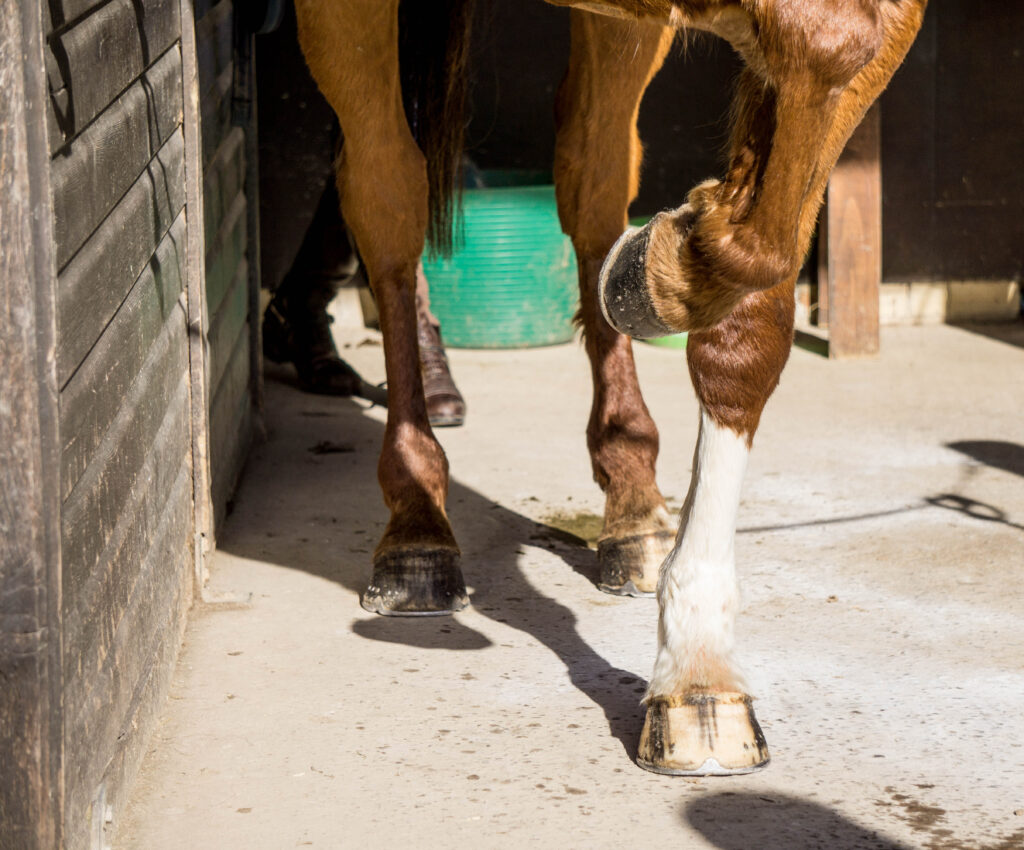
When weighing up the true value on an equine MRI remember, the cost of an MRI is easy to see but the cost of not having one is the one worth thinking about.

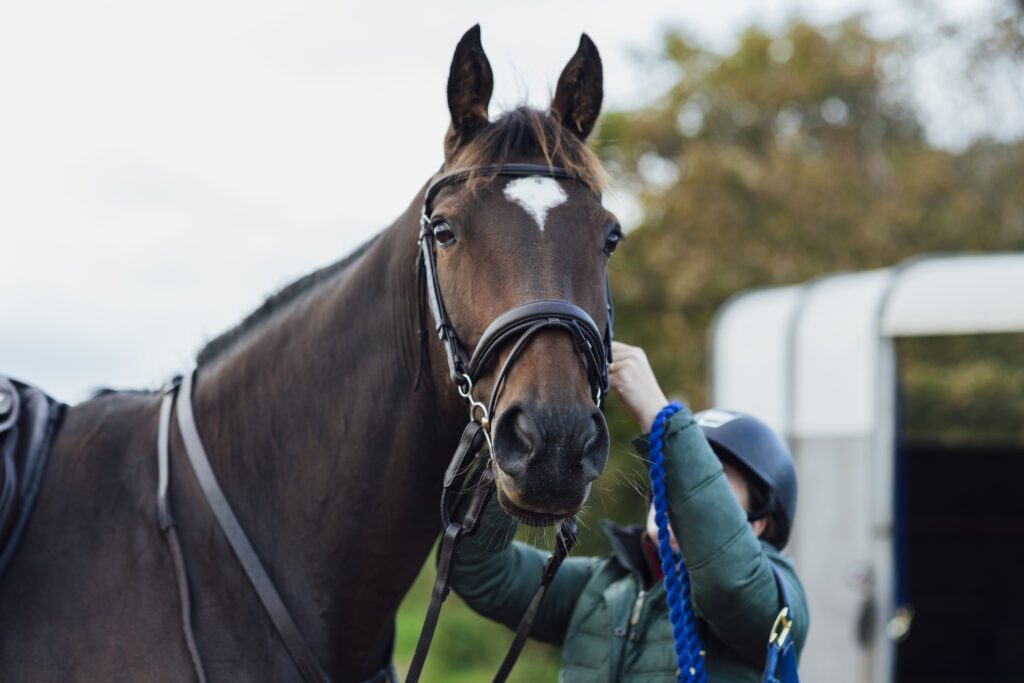
As the seasons change and many horses return to a fuller workload, autumn presents the perfect opportunity to take stock of your horse’s soundness.

Treating without diagnosing can work. But it can also mean months of time, money and effort spent managing a problem rather than solving it, while the underlying cause quietly becomes harder to treat.