CT (computed tomography)
CT, or computed tomography, is an advanced X-ray technique that creates detailed cross-sectional and 3D images. It can help vets assess complex bony areas or injuries that may not be fully clear on standard X-rays.
CT, or computed tomography, is an advanced X-ray technique that creates detailed cross-sectional and 3D images. It can help vets assess complex bony areas or injuries that may not be fully clear on standard X-rays.
A diagnostic block, or nerve block, uses local anaesthetic to temporarily numb a specific area. If the horse moves better afterwards, it helps your vet narrow down where the pain is coming from.
Diagnostic imaging uses scans or images to look inside the body and help identify what is causing lameness. Examples include X-ray, ultrasound, MRI, CT, scintigraphy and PET, depending on what your vet needs to investigate.
The digital pulse is a pulse that can be felt in the lower leg near the foot. A stronger pulse can be a clue that the foot is painful or inflamed, but it does not give a diagnosis on its own.
A flexion test is when your vet holds a limb in a flexed position for a short time, then watches the horse trot away. It can make some sources of discomfort more obvious and guide the next stage of assessment.
Forelimb lameness means lameness affecting one or both front limbs. Vets may look at how the horse carries their head, shoulders and weight to help identify front-limb discomfort.
A fracture is a break or crack in a bone. Some fractures are obvious emergencies, while others need imaging to detect. Severe, sudden or non-weight-bearing lameness should be treated as urgent.
Gait analysis is careful assessment of how the horse moves, either by a trained eye or with measurement tools. It helps turn "something feels off" into clearer information your vet can use.
This quiz is educational, not diagnostic. It helps you check what you already know and learn what vets often ask owners to look for.

Owner-first guides to help you notice patterns, reduce worry and feel prepared for your next vet visit.

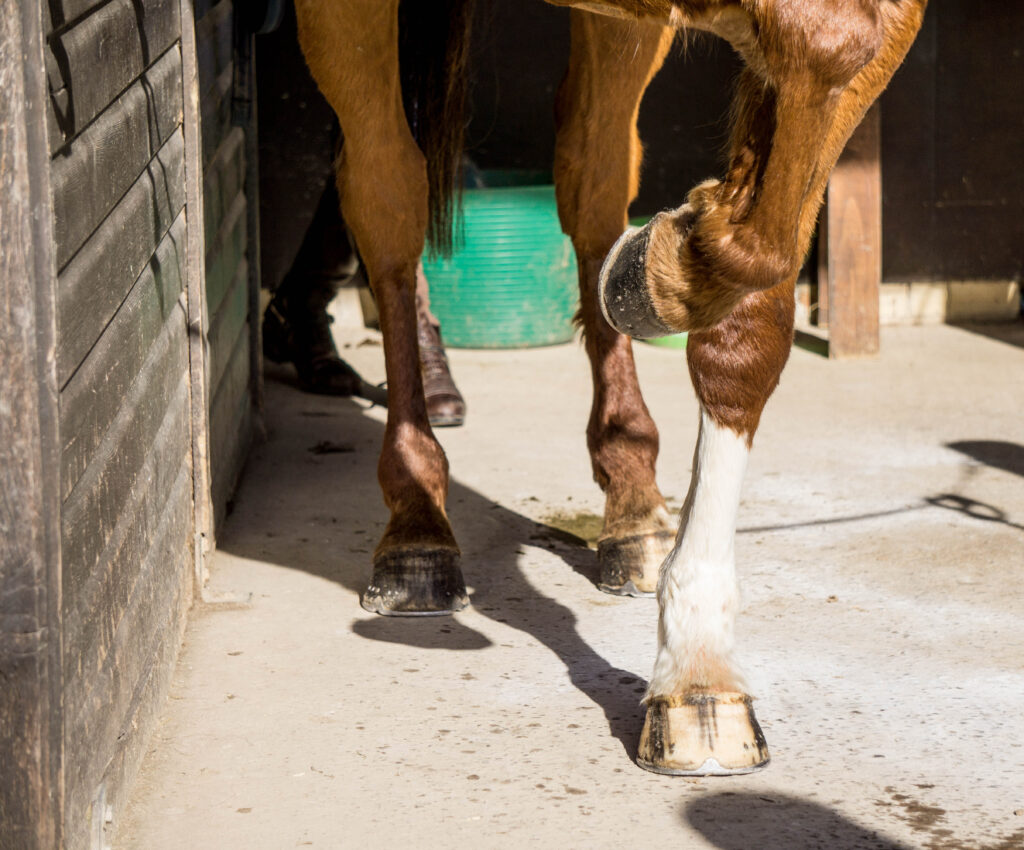
When weighing up the true value on an equine MRI remember, the cost of an MRI is easy to see but the cost of not having one is the one worth thinking about.

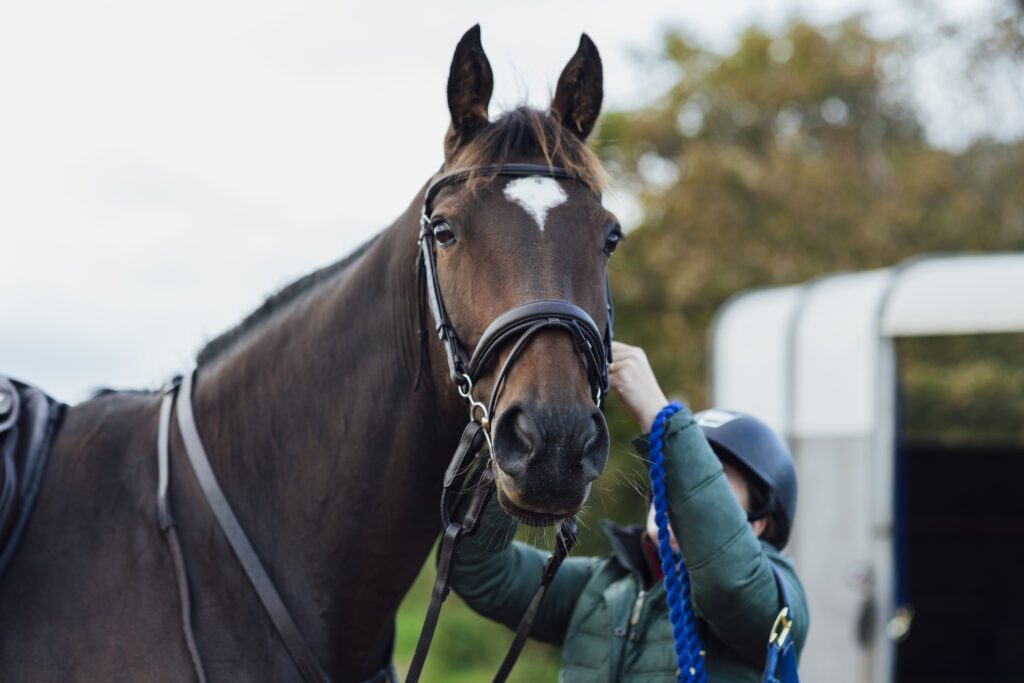
As the seasons change and many horses return to a fuller workload, autumn presents the perfect opportunity to take stock of your horse’s soundness.

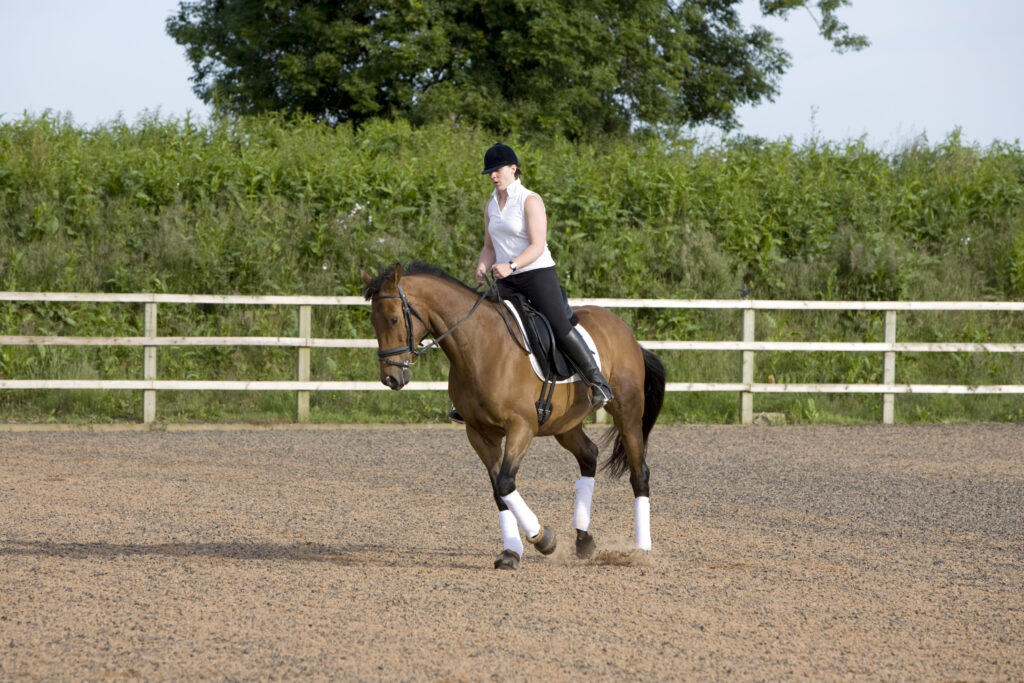
Treating without diagnosing can work. But it can also mean months of time, money and effort spent managing a problem rather than solving it, while the underlying cause quietly becomes harder to treat.