Knowledge Hub
The Knowledge Hub is where you can go a level deeper into lameness, one topic at a time, without feeling overwhelmed. Each article focuses on a specific part of the lameness picture, from what your vet is looking for in a trot up and on the lunge, to why they ask certain questions, how conformation can influence movement and what tests like flexions or hoof testers are trying to tell them.
You will also find practical guides to next steps in a work-up, including why imaging might be suggested. The aim is simple: help you build a clearer mental map of the process, so you can describe what you are seeing in your horse, understand the options being discussed and feel confident asking the right questions at the right time.
Featured Topics


First aid for lameness: wound care

First aid for lameness: water & ice

First aid for lameneness: applying a poultice

Lameness diagnosis: why it’s important for horse & owner
Webinars
Find out more about TalkLameness
Welcome to Talk Lameness!
Welcome to Talk Lameness where we help you get to know your horse, observe what you see, take notes and have that conversation with your vet.
Webinar
Who is Jackie Potts?
William Fox-Pitt’s Head Groom Behind every great event rider, there’s a team — and at the heart of William Fox-Pitt’s operation for around three decades has been his head groom, Jackie Potts. Jackie didn’t take the traditional route into the horse world. She started riding at age ten, when a friend asked her along to
Webinar
An overview to the lameness exam
For most owners, the lameness investigation can feel like a mystery. Your vet arrives, watches your horse trot, presses and prods, maybe does some flexion tests… and then starts talking about blocks, scans, and referrals. It’s a lot to take in. And when you don’t fully understand the process, it’s hard to feel confident about
Webinar
The value of nerve blocks in the lameness examination
Your vet can watch your horse move, feel for heat and swelling, and flex the joints. But often, the source of pain isn’t obvious. The horse can’t tell us “it’s my fetlock” or “it’s deep in my heel.” So how do we find out? This is where nerve blocks come in. Nerve blocks – or
Webinar
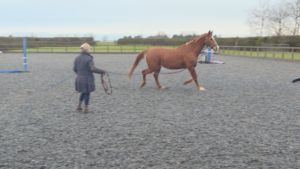
Lunging a horse
Sometimes a horse looks perfectly fine trotting up and down the yard. But put them on a lunge circle? That’s when subtle issues start to show. Lunging is one of the most valuable tools in lameness detection – vets use it routinely because the curve of the circle puts extra demand on the limbs and
All Articles

Lameness diagnosis: why it’s important for horse & owner

5 things to discuss with your vet