Published 2 Mar 2026

Lunging a horse

Lunging as part of a lameness examination

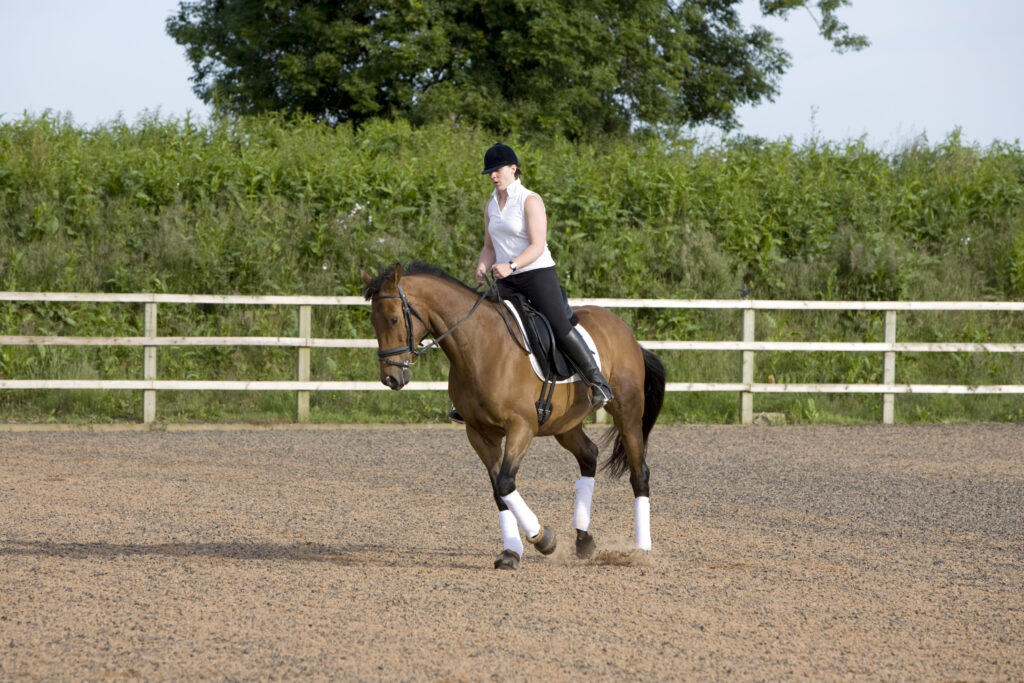
Sometimes a horse looks perfectly fine trotting up and down the yard. But put them on a lunge circle? That’s when subtle issues start to show.

Lunging is one of the most valuable tools in lameness detection – vets use it routinely because the curve of the circle puts extra demand on the limbs and can reveal problems that stay hidden on the straight.

But here’s the thing: you don’t need to be a vet to spot the warning signs.

In this webinar, we’ll show you how to use lunging as a window into your horse’s soundness – whether you’re an experienced lunger or still finding your feet with a lunge line.

You’ll learn:

  • Why the circle matters – how lunging stresses limbs differently to straight-line work
  • What to watch for – the key signs of lameness on the lunge
  • Head nod, hip hike, and more – understanding what your horse’s body is telling you
  • Inside leg vs outside leg – why direction changes everything
  • Hard surface vs soft surface – and what each can reveal
  • What’s normal, what’s not – because even sound horses can look uneven on a circle

We’ll also cover practical tips for getting consistent, reliable results – so you can confidently share what you’ve seen with your vet.

Quiz

Could you spot these signs of lameness in your horse?

This quiz is educational, not diagnostic. It is here to help you spot common patterns owners often miss and feel more confident talking to your vet about what to do next.

Quiz
Articles & Guides

Knowledge Hub

Owner-first guides to help you notice patterns, reduce worry and feel prepared for your next vet visit.

Knowledge Hub

What are the risks of not getting a lameness diagnosis?

Article 10 Jul 2026
Treating without diagnosing can work. But it can also mean months of time, money and effort spent managing a problem rather than solving it, while the underlying cause quietly becomes harder to treat.
Carina Northern Carina Northern

What are the risks of not getting a lameness diagnosis?

Article 10 Jul 2026
Treating without diagnosing can work. But it can also mean months of time, money and effort spent managing a problem rather than solving it, while the underlying cause quietly becomes harder to treat.
Carina Northern Carina Northern

Proximal suspensory injuries in horses

Article 24 Jun 2026
Proximal suspensory injuries are a common cause of lameness and poor performance in horses. Clinical signs can vary depending on whether the forelimbs or hindlimbs are affected, and a thorough lameness examination is essential to localise the source of pain.
Chrysanthi Pitaouli Chrysanthi Pitaouli
signup

Sign Up To Our Newsletter

Megaphone