Published 3 Mar 2026

An overview to the lameness exam

An overview of the lameness examination
Speaker
Jackie Potts
Jackie Potts
William Fox-Pitt's Head Groom

For most owners, the lameness investigation can feel like a mystery. Your vet arrives, watches your horse trot, presses and prods, maybe does some flexion tests… and then starts talking about blocks, scans, and referrals.
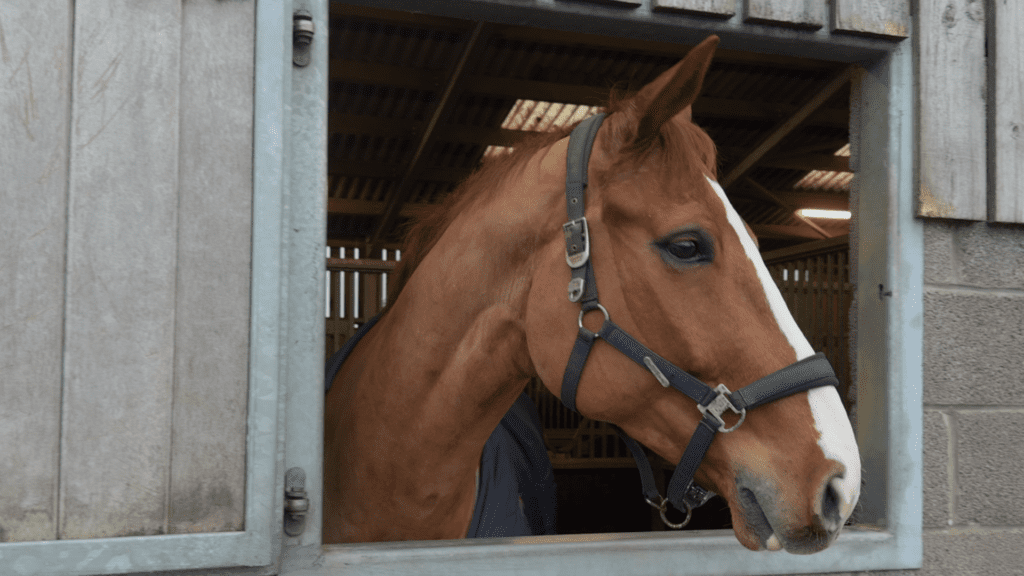
It’s a lot to take in. And when you don’t fully understand the process, it’s hard to feel confident about the decisions you’re being asked to make.

This webinar changes that.

We’ll take you through an overview of the entire lameness investigation – step by step, stage by stage – from the moment you notice something’s wrong, all the way through to getting a diagnosis. then you can dive into our other videos that look at each stage in more depth.

You’ll learn:

  • Where it all starts – history, observation, and the physical exam
  • Gait assessment – what your vet is looking for when your horse moves
  • Flexion tests – what they do and what they tell us
  • Lunging and ridden work – why circles and riders can reveal hidden problems
  • Nerve blocks – how vets pinpoint the source of pain
  • Diagnostic imaging – X-rays, ultrasound, MRI, and when each is used
  • Putting it all together – how your vet reaches a diagnosis

Think of this as your roadmap. Once you understand the journey, you’ll feel more confident at every stage – and better equipped to work alongside your vet to get answers for your horse.

This is the “start here” video for our webinar series. Each topic we cover here has its own dedicated webinar if you want to go deeper

Jackie Potts
Jackie Potts
William Fox-Pitt's Head Groom
Quiz

Could you spot these signs of lameness in your horse?

This quiz is educational, not diagnostic. It is here to help you spot common patterns owners often miss and feel more confident talking to your vet about what to do next.

Quiz
Articles & Guides

Knowledge Hub

Owner-first guides to help you notice patterns, reduce worry and feel prepared for your next vet visit.

Knowledge Hub

What are the risks of not getting a lameness diagnosis?

Article 10 Jul 2026
Treating without diagnosing can work. But it can also mean months of time, money and effort spent managing a problem rather than solving it, while the underlying cause quietly becomes harder to treat.
Carina Northern Carina Northern

What are the risks of not getting a lameness diagnosis?

Article 10 Jul 2026
Treating without diagnosing can work. But it can also mean months of time, money and effort spent managing a problem rather than solving it, while the underlying cause quietly becomes harder to treat.
Carina Northern Carina Northern

Proximal suspensory injuries in horses

Article 24 Jun 2026
Proximal suspensory injuries are a common cause of lameness and poor performance in horses. Clinical signs can vary depending on whether the forelimbs or hindlimbs are affected, and a thorough lameness examination is essential to localise the source of pain.
Chrysanthi Pitaouli Chrysanthi Pitaouli
signup

Sign Up To Our Newsletter

Megaphone