
There’s a particular feeling that arrives in the spring: the mornings get lighter, the yard smells of wet earth and new grass and suddenly you want to do more with your horse. After months of short days, heavy going and limited riding, spring feels like permission to start again.
But horses don’t reset overnight. Their bodies have been managing winter – lower workloads, different feed, heavier rugs, harder or muddier ground, less varied movement. As the season shifts and your ambitions grow, it’s worth pausing before you push forward. A little attention now across a handful of areas can make the difference between a horse that builds through spring and one that struggles into summer.
This isn’t a list of problems to worry about. It’s a prompt to look carefully at your horse before the season gets away from you.
The ground is changing – and so is the risk
One of the most significant shifts in spring is one you might not immediately connect to your horse’s wellbeing: the grass.
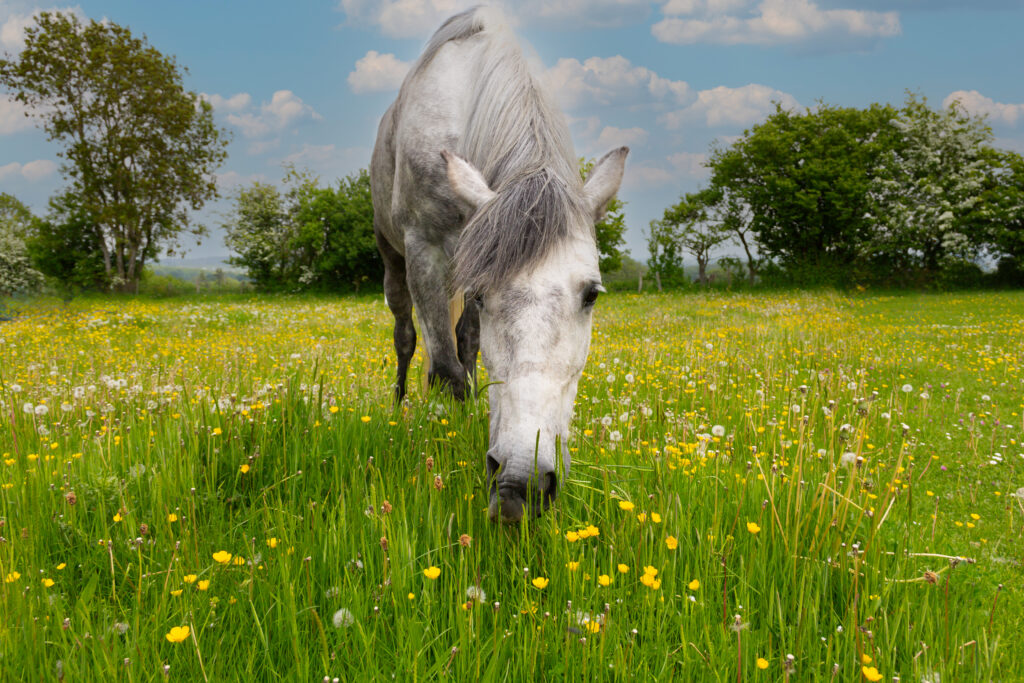
After a winter of slow growth, spring grass comes in fast and rich, packed with non-structural carbohydrates – the sugars and starches that accumulate as plants photosynthesise in longer daylight hours. For most horses this isn’t a crisis. But for those prone to laminitis, insulin resistance or carrying extra condition through winter, spring grass is the biggest risk they’ll face all year.
The signs of early laminitis can be easy to miss. A horse that seems a little sore, reluctant to step forward or shifting weight more than usual may be telling you something important. Feet that feel warmer than normal, a stronger digital pulse or reluctance to trot on hard ground are all worth noting.
If your horse is in this category, gradual introduction to pasture makes a meaningful difference. Short initial turnout (even just 15 to 20 minutes) with gradual increases over several weeks, is far better than suddenly switching from a hay-based winter diet to unlimited spring grazing. Giving hay before turnout helps reduce the urge to gorge. And if you’re turning out on lush grass, earlier morning or overnight grazing tends to mean lower sugar levels than afternoon, though this isn’t foolproof in spring conditions.
If something feels off, trust that instinct. The Talk Lamness Quiz is a good starting point for thinking through what you’re seeing and how to describe it to your vet.
Feed: the transition matters as much as the destination
A horse’s digestive system adapts to its diet over time and the microbiome in the hindgut, which does so much of the work of processing forage, doesn’t appreciate sudden change. If you’re moving from a winter feed regime to something richer, or increasing calories to build condition ahead of a competition season, do it slowly.
As a rule of thumb, make any significant feed change over at least two weeks, ideally longer. Monitor your horse’s weight and condition as you go. What looks like “catching up” after winter can tip into overweight quite quickly in spring, particularly in good doers and native breeds.
If your horse has been stabled for much of the winter, digestive changes – including an increased risk of colic – can be associated with the transition back to more grass. Keep an eye on gut sounds, droppings and general demeanour as turnout increases.
Fitness: patience pays
After a winter of reduced or light work, a horse’s cardiovascular fitness, muscle strength and the integrity of tendons and ligaments will all have dropped. Connective tissue in particular responds slowly to training load – it strengthens, but over months rather than weeks.
If you have events or competitions in mind for the season ahead, map out a realistic timeline. Six to eight weeks of gradually increasing work before you ask for anything demanding is a minimum and that’s for a horse that’s been in light work through winter. A horse that’s had complete rest needs longer.
The classic mistake in spring is doing too much too soon in the enthusiasm of better weather and firmer going. Soft tissue injuries, like suspensory strains or tendon issues, are disproportionately common at this time of year and they’re the kind of setbacks that cost months, not weeks.
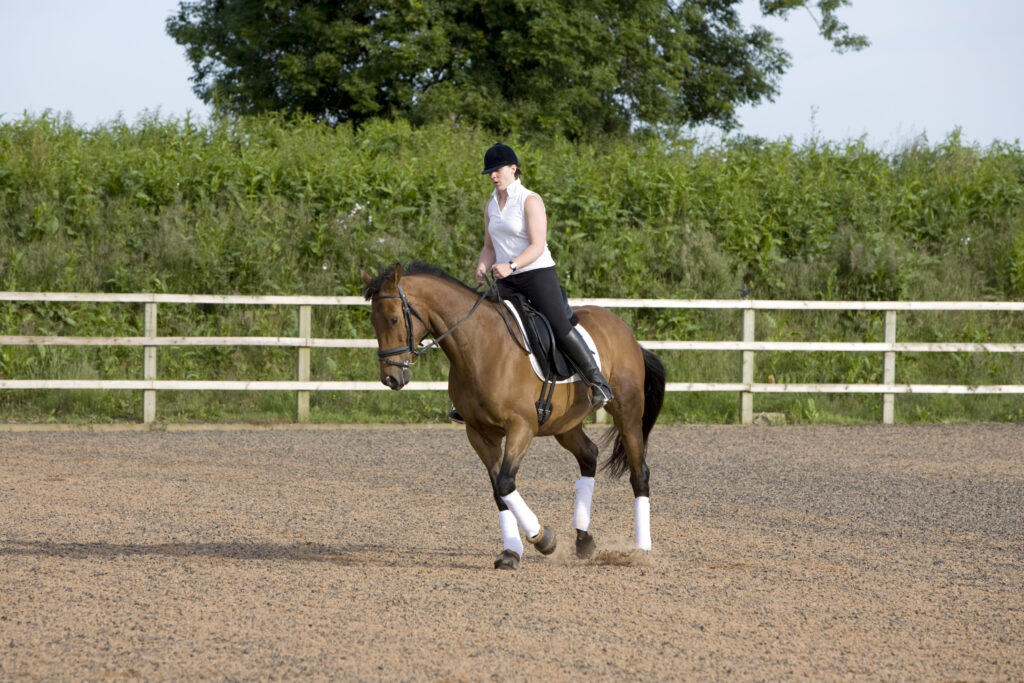
Build base fitness before you add speed, intensity or technical demands. Hacking on varied terrain, long and low schooling and steady hill work are all excellent early season tools. Save the harder stuff until your horse is clearly moving freely and willingly.
Watch how your horse moves. Are they tracking up evenly? Is there any shortening of stride, reluctance on one rein or resistance in transitions that wasn’t there before? These can be early signs of discomfort that are much easier to address if caught early.
A horse that isn’t quite right in spring , even subtly, is telling you something before it becomes a problem you can’t ignore.
If you’re unsure what you’re seeing, Why lameness isn’t always obvious is a helpful read for unpicking the subtle signs.
Rugs: time to reassess
Many horses spend winter in rugs that are heavier than they strictly need and many come off rugs in spring either too abruptly or later than is comfortable. Horses regulate their temperature remarkably well and a horse in light work – that’s been trace or full clipped through winter – may be genuinely ready to come out of a heavyweight rug sooner than you think once temperatures stabilise.
Check the fit of rugs that have been on all winter. Horses lose and gain condition through winter and a rug that fitted in November may be sitting differently by May. Look for signs of rubbing at the shoulders, withers and chest, which can indicate poor fit and cause low-grade discomfort that’s easy to overlook.
A horse that’s been rugged heavily through a mild winter may also be carrying more condition than you realise. The rug can mask a rounder topline and ribs that are harder to feel than they should be. Spring is a good moment to take the rug off, step back and actually look at your horse’s body condition honestly.
Tack fit: a winter body is not a spring body!
This is one of the most commonly overlooked areas of spring management. Horses change shape through winter (you may well know that feeling yourself as you start to shed those winter jumpers!). Some lose muscle and topline, others gain weight – and a saddle might not sit the same by spring.
A saddle that was well balanced in autumn can appear to tip forward or rock on a horse that’s lost condition through its back, creating pressure points that weren’t there before. Conversely, a horse that’s gained weight across the back and shoulders may suddenly find its saddle feels tight in ways it didn’t.
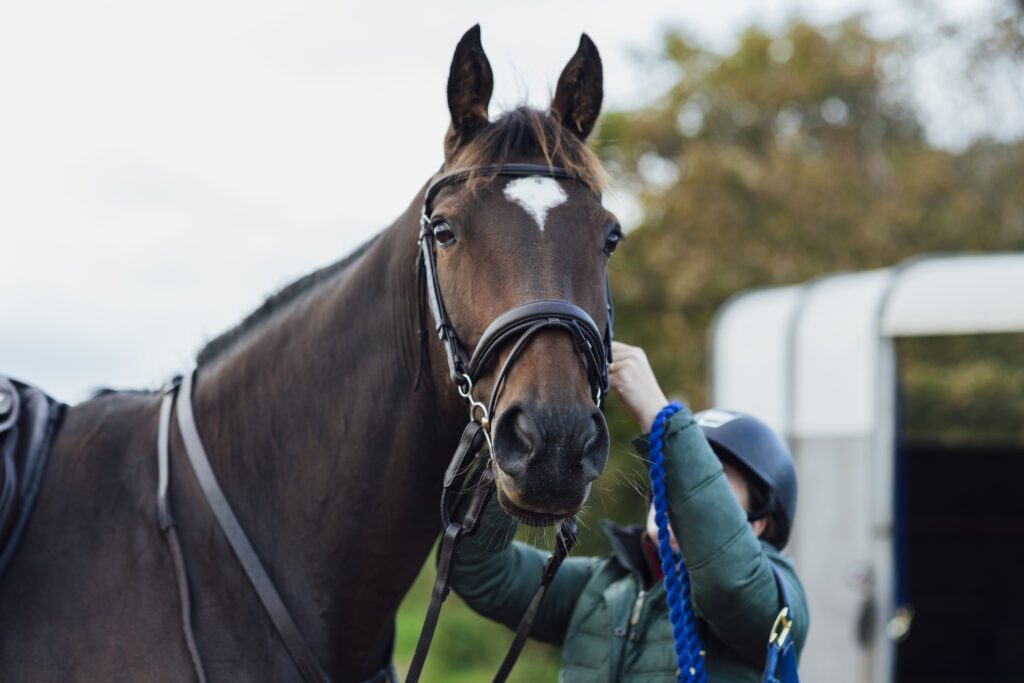
If you’re planning to increase work significantly in spring, a saddle fit check before the season starts, not after a problem appears, is money well spent. The same applies to bridle fit, particularly if you use anatomical or shaped bridles where the padding placement matters.
Feet: hoof growth picks up in spring
Hooves grow faster in spring as the ground softens and nutrition improves. For horses in work, this means your farrier schedule may need revisiting. A horse that was comfortable on a 10-to-12-week interval through winter may start to go long in the toe or lose balance in the hoof capsule more quickly once spring kicks in.
If your horse is barefoot, keep a close eye on wear versus growth. Spring going can be unpredictably variable, and a horse that was managing fine on hard winter ground may need more frequent attention as the going changes.
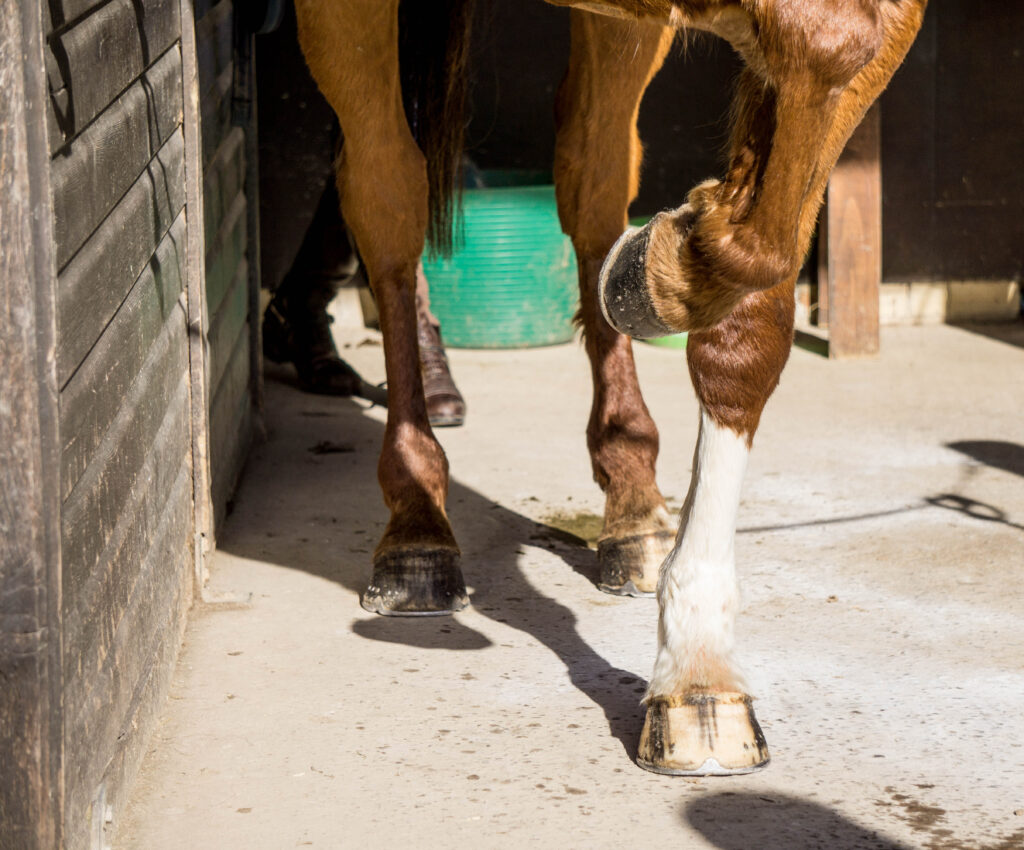
For all horses, spring is a natural time to discuss with your farrier whether the previous season’s approach is still right. Changes in workload, surfaces or the horse’s way of going can all influence the best approach to shoeing or trimming. If your horse is showing any foot soreness, even mild or intermittent, don’t assume it’s just the changing ground. Subtle foot pain is one of the most common forms of lameness in horses and it’s one of the areas where early investigation pays dividends. A horse that’s mildly foot sore in spring can deteriorate quickly once the workload increases.
Final thoughts: use spring as an opportunity to observe
The seasonal change is one of the best prompts to really look at your horse: not with a list of concerns in mind, but just with fresh eyes. Watch them move in the field. Feel along their back and legs. Notice if their attitude to work is different. Has anything changed since autumn?
Horses are very good at compensating for low-grade discomfort, which is why problems can become established before they become obvious. The patterns you notice over a few days – a slight reluctance on the right rein, a change in behaviour when you groom over the back, a foot that’s warmer than the others – are often more useful information than a single observation.
Spring is also an excellent time to raise anything you’ve noticed with your vet, before the season gets into full swing and your diary fills up. If you’re not sure how to describe what you’re seeing, or whether it warrants a call, 5 things to discuss with your vet is a practical guide to preparing for exactly that conversation.
If your horse is showing signs of lameness — or something that’s just not quite right — Talk Lameness is a free educational resource to help you understand what you’re seeing and talk confidently with your vet. Start the Quiz.
For equine vets and practices interested in standing MRI for lameness diagnosis, find out more about Hallmarq’s equine imaging. With the tools available to scan the foot, carpus and tarsus, the gold standard in lameness diagnosis is now even better!