
If lameness always looked like a clear limp, most of us would spot it in five minutes, call the vet and move on. In real life, it’s rarely that tidy. More often, you notice a feeling first. Your horse is a touch uneven, a bit reluctant or just not moving like themselves and you start second guessing. Are you imagining it? Is it the surface? Are they being cheeky? Is it your riding?
That uncertainty is exactly why lameness can be so stressful. It’s also why it helps to understand one simple truth: horses don’t all show pain in the same way and movement changes can be subtle long before they’re obvious.
Here’s why.
Horses are built to cope
Horses are prey animals. Their instinct is to keep going, even when something hurts. Many horses will protect a sore area by shifting weight, changing their rhythm or loading a different part of the limb. To you, it can look like a normal day with a few little quirks. To your vet, those quirks can be clues.
This coping is also why you might feel something is off under saddle, even when your horse looks fine to someone watching from the gate.
Subtle lameness doesn’t always look like a limp
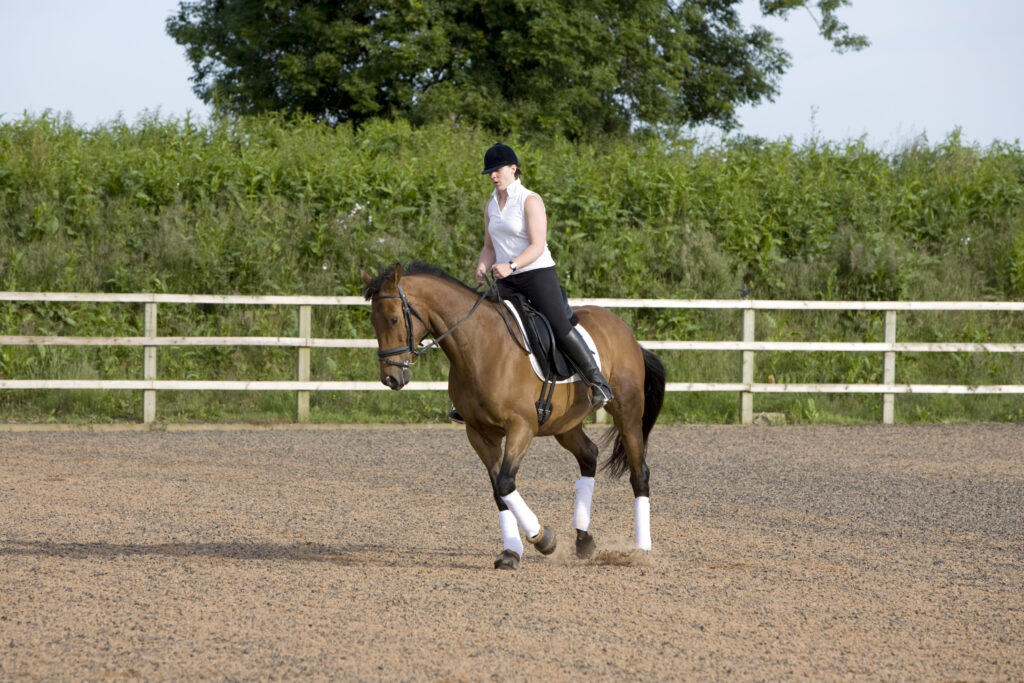
A limp is one way lameness can show up, but it’s not the only one. Some horses shorten a stride rather than clearly nod. Some move evenly in a straight line but look different on a circle. Some lose power behind, feel less willing or struggle with a lead that was always easy.
You might notice:
- a change in rhythm or regularity at trot
- unevenness that comes and goes
- reluctance to bend one way
- stumbling or toe dragging
- difficulty with transitions
- a drop in performance, forwardness, or confidence
None of these proves lameness on their own. But they can be the start of a story worth paying attention to.
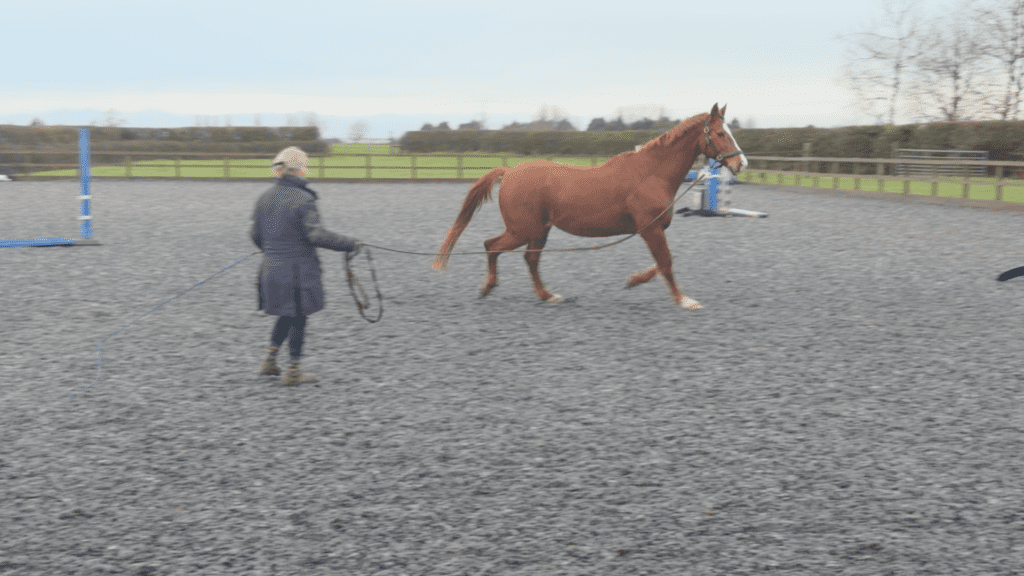
“Lameness often shows up under certain conditions, not all the time. That’s why two people can look at the same horse and see different things.”
Humphrey Grimmett BVetMed BSc MRCVS, Vet Surgeon
Lameness can depend on the situation
Lameness often shows up under certain conditions, not all the time. That’s why two people can look at the same horse and see different things.
Common “it only happens when…” moments include:
- on a circle, especially on one rein
- on a firm surface, or sometimes only on softer ground
- when the horse is tired
- after warming up, or sometimes only before they’ve loosened up
- under saddle, but not obviously in-hand
This isn’t your horse being dramatic. It’s just biomechanics. Different surfaces and shapes change how each limb is loaded and that can make a mild issue easier or harder to see.
Compensation muddies the picture
One sore area can cause knock-on changes elsewhere. A horse protecting a front foot might alter shoulder movement, change how they use their neck or shift weight back. A hindlimb issue can change how the horse carries their pelvis, how they sit in canter or how forward going they are.
This is why lameness isn’t always as simple as “left fore”. Sometimes the visible change is a compensation, not the original source. It’s also why vets work step by step, because they’re trying to find what’s driving the pattern, not just what looks odd.
Behaviour can be part of the lameness story
This is a big one and it’s where owners often feel judged.
Sometimes discomfort shows up as resistance, tension, napping, bucking, refusing or just feeling flat. That doesn’t mean every behaviour issue is pain. But it does mean behaviour doesn’t automatically rule pain out either.
A useful way to think about it is this: behaviour is information. It’s one piece of the picture, alongside movement, context and patterns over time.
Your eye adapts without you realising
If you see your horse every day, tiny changes can creep in gradually. You adjust your expectations without meaning to. It’s why someone who hasn’t seen them in a month might say, “they look different”, and you’re left thinking, do they?
This is also why short videos can be so helpful. They freeze a moment in time. You can compare week to week or show your vet exactly what you’re trying to describe.
What to do if you’re not sure
You don’t need to prove anything. You just need to get curious and collect a few useful details. A simple plan:
- Notice the pattern: when is it worse, when is it better, what changed recently
- Film a short clip if it’s safe: straight line trot and a circle each rein if you can
- Write a few notes: surface, rein, warm-up, ridden vs in-hand
- Talk to your vet if you’re worried or if it’s persistent or getting worse
You’re not overreacting by asking questions. You’re doing what good horse people do. You’re paying attention and you’re learning to talk lameness so your horse gets the right help sooner.
Footnote
Lameness diagnosis is important for both you and your horse. As an owner, recognising and diagnosing lameness is crucial to ensuring your horse’s long-term soundness. Early diagnosis provides clarity, reduces stress, and helps you and your vet to make informed decisions to support your horse’s health.