Published 3 Mar 2026

Static examination of the horse

Speaker
Jackie Potts
Jackie Potts
Groom to William Fox-Pitt
As groom to William Fox-Pitt for over 30 years, Jackie's expertise has been formally recognised at the highest level winning BEF Groom of the Year in 2006 and crowned FEI Best Groom at the FEI Awards Gala 2014 in Baku. Her top tip for horse owners? "Just get to know your horse. Treat them as individuals. Learn what they like and don’t like. And don’t move the goalposts. That’s how they learn to trust you."

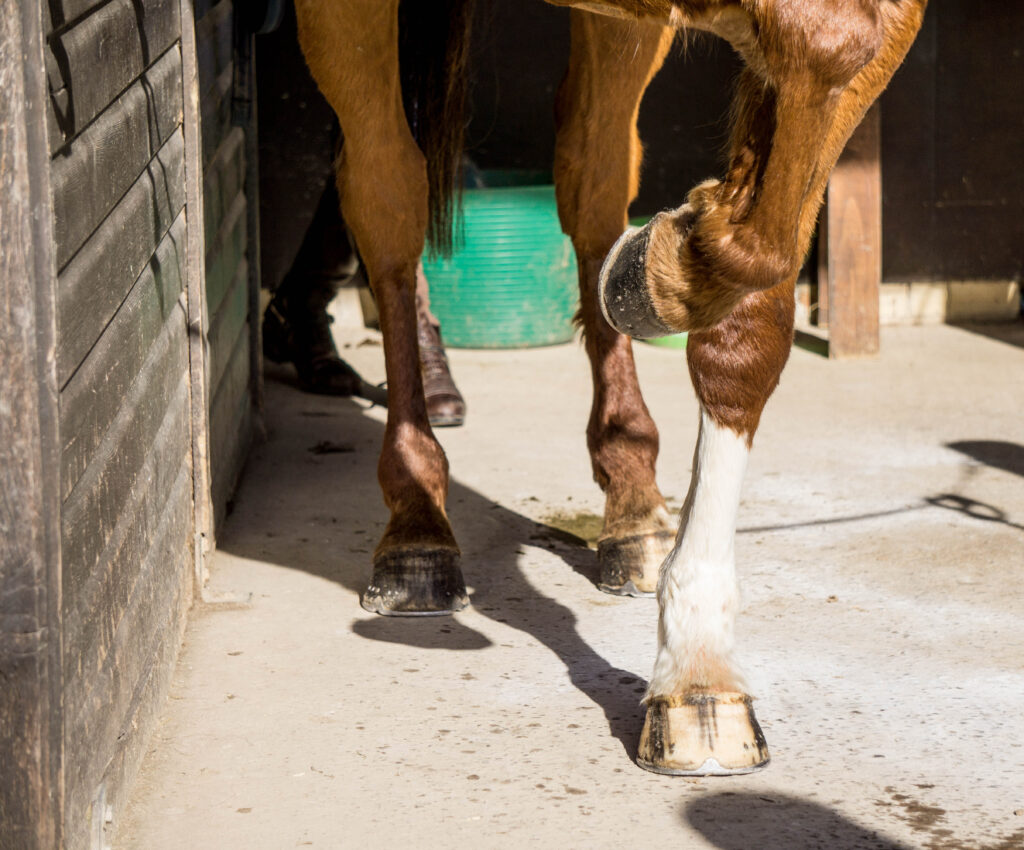
Before any trot-ups, lunging or nerve blocks, your vet will assess your horse standing. They are looking for visual cues as to why your horse is lame. These include muscle symmetry, conformation issues or obvious swelling or injury. Only after careful consideration at this stage will they start to examine the horse generally with their hands, assessing for heat pain, swelling and abnromal tissue distension.

This initial stage of the examination may provide crucial clues that helps them rule various structures in or out of the following stages.

Quiz

Could you spot these signs of lameness in your horse?

This quiz is educational, not diagnostic. It is here to help you spot common patterns owners often miss and feel more confident talking to your vet about what to do next.

Quiz
signup

Sign Up To Our Newsletter

Megaphone