Navicular syndrome
Navicular syndrome describes a group of problems involving the navicular bone and nearby tissues in the foot. It can cause forelimb lameness and may involve bone, tendon, ligament or joint structures.
Navicular syndrome describes a group of problems involving the navicular bone and nearby tissues in the foot. It can cause forelimb lameness and may involve bone, tendon, ligament or joint structures.
Non-weight-bearing means a horse is unable or unwilling to put weight on a limb. This can indicate severe pain and should be treated as urgent veterinary situation.
This quiz is educational, not diagnostic. It helps you check what you already know and learn what vets often ask owners to look for.

Owner-first guides to help you notice patterns, reduce worry and feel prepared for your next vet visit.

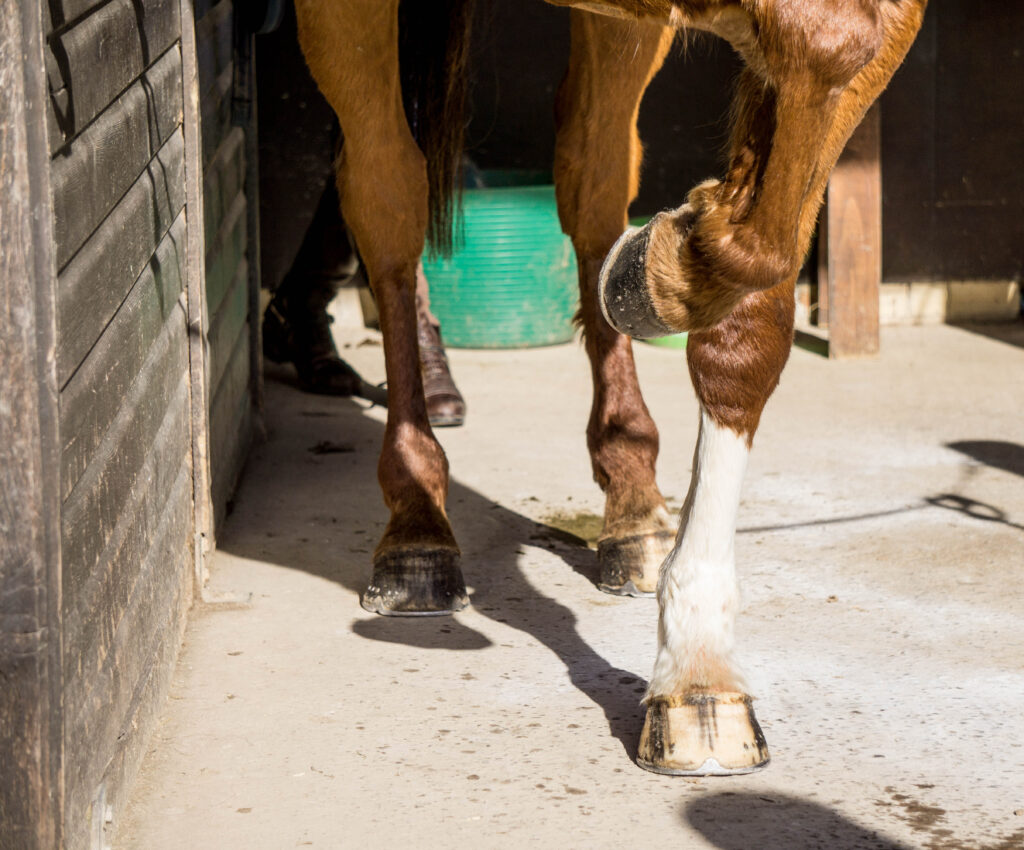
When weighing up the true value on an equine MRI remember, the cost of an MRI is easy to see but the cost of not having one is the one worth thinking about.


As the seasons change and many horses return to a fuller workload, autumn presents the perfect opportunity to take stock of your horse’s soundness.


Treating without diagnosing can work. But it can also mean months of time, money and effort spent managing a problem rather than solving it, while the underlying cause quietly becomes harder to treat.