Circle / lungeing assessment
A circle or lungeing assessment means watching the horse move on a circle, usually on both reins and sometimes on different surfaces. Some lameness shows more clearly on a circle than in a straight line.
A circle or lungeing assessment means watching the horse move on a circle, usually on both reins and sometimes on different surfaces. Some lameness shows more clearly on a circle than in a straight line.
Compensation is when a horse changes how they move to avoid discomfort somewhere else. This can make lameness confusing, because the most obvious movement change is not always the original source of pain.
Conformation means the way a horse is built, including limb shape, balance and overall structure. It can influence how a horse moves and may be considered by your vet as part of the wider lameness picture.
CT, or computed tomography, is an advanced X-ray technique that creates detailed cross-sectional and 3D images. It can help vets assess complex bony areas or injuries that may not be fully clear on standard X-rays.
This quiz is educational, not diagnostic. It helps you check what you already know and learn what vets often ask owners to look for.

Owner-first guides to help you notice patterns, reduce worry and feel prepared for your next vet visit.

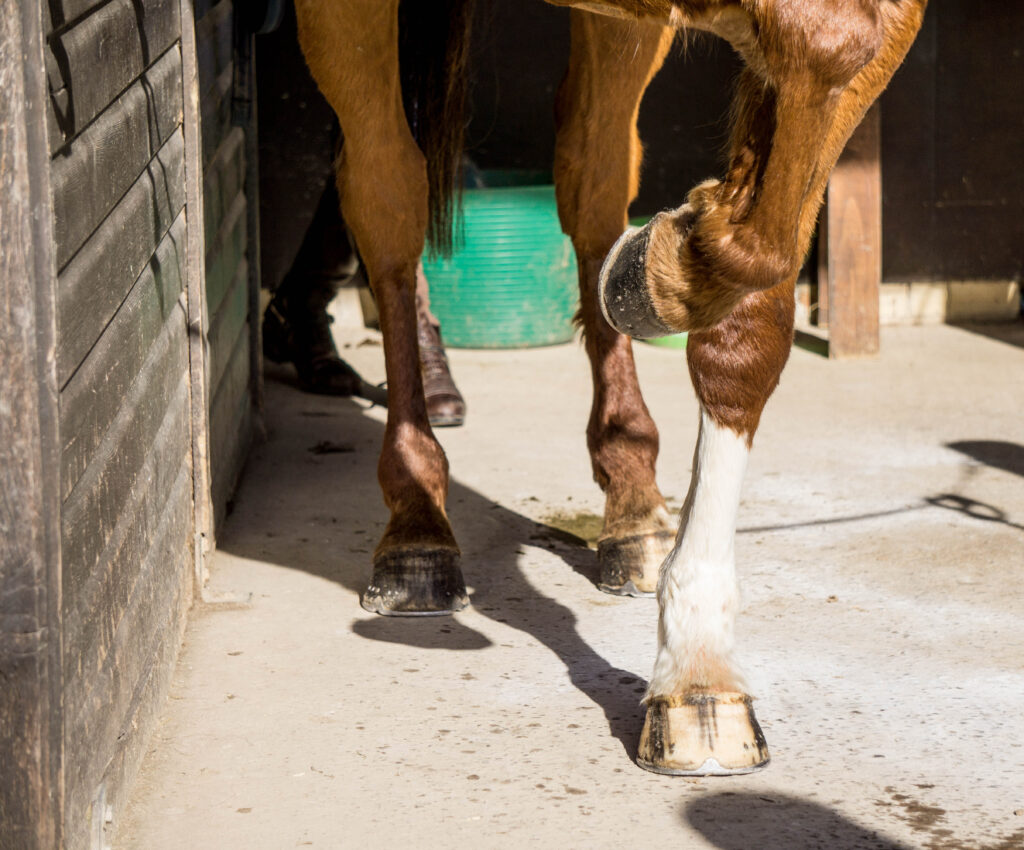
When weighing up the true value on an equine MRI remember, the cost of an MRI is easy to see but the cost of not having one is the one worth thinking about.

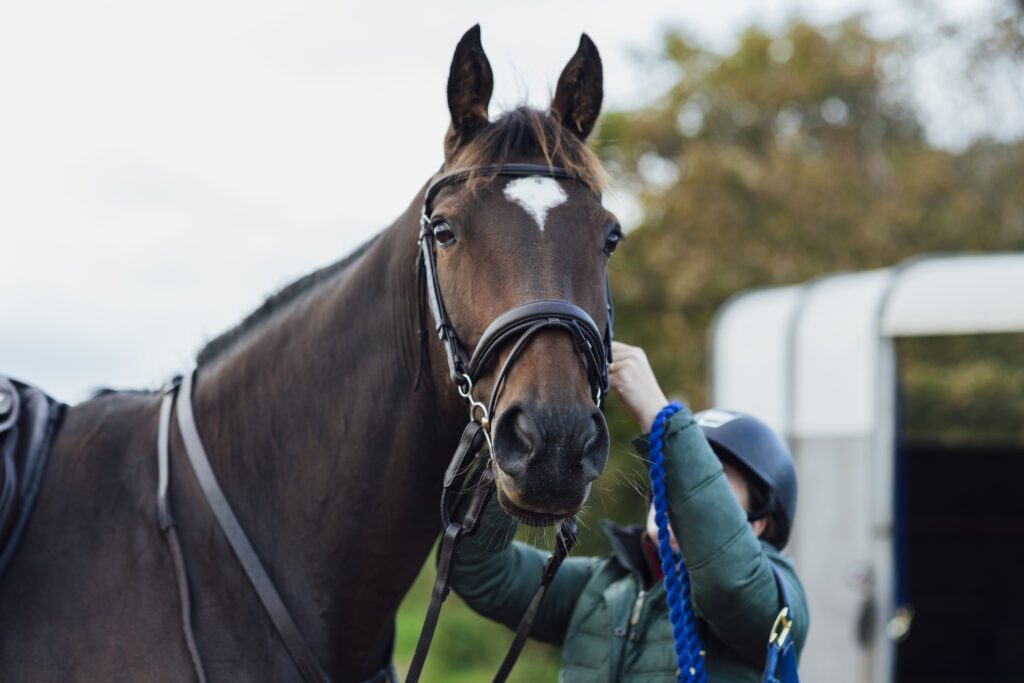
As the seasons change and many horses return to a fuller workload, autumn presents the perfect opportunity to take stock of your horse’s soundness.

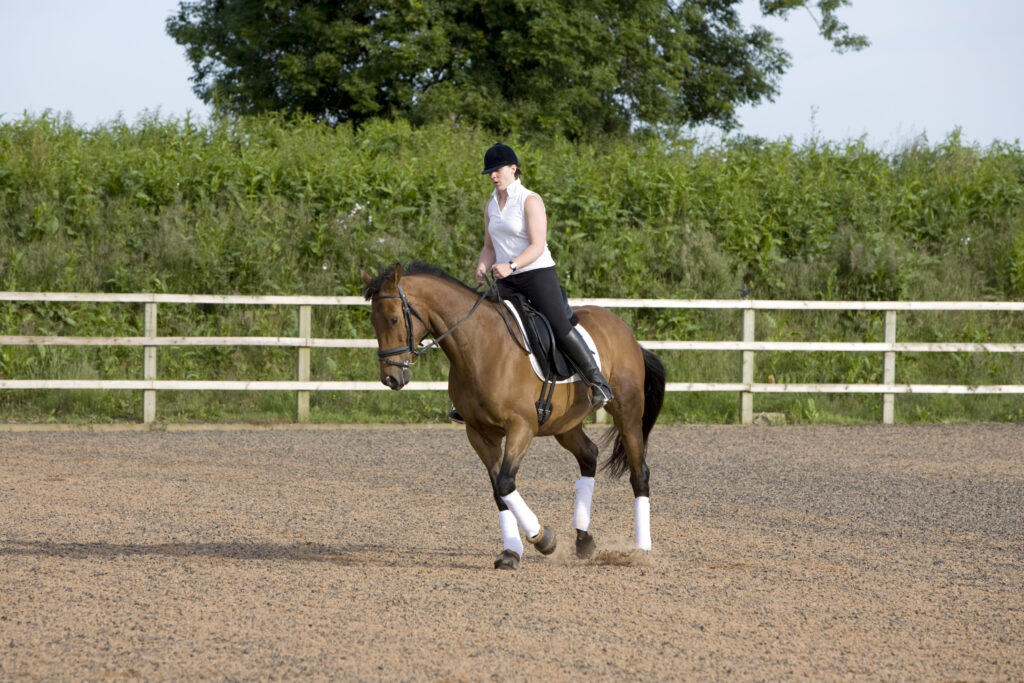
Treating without diagnosing can work. But it can also mean months of time, money and effort spent managing a problem rather than solving it, while the underlying cause quietly becomes harder to treat.