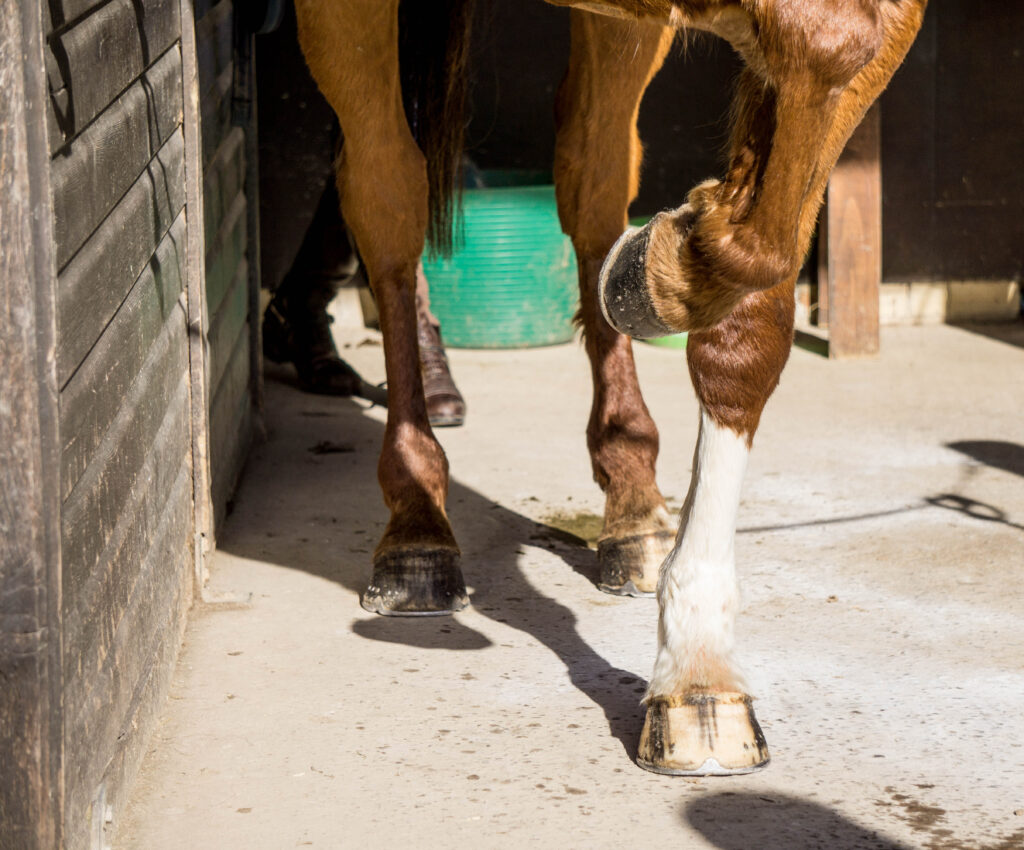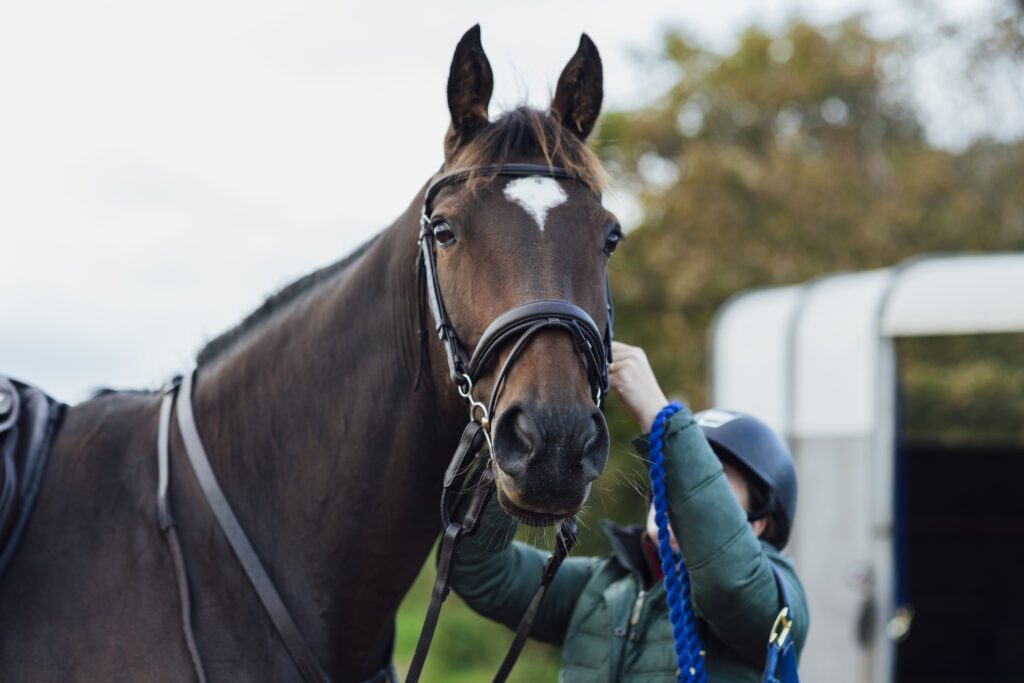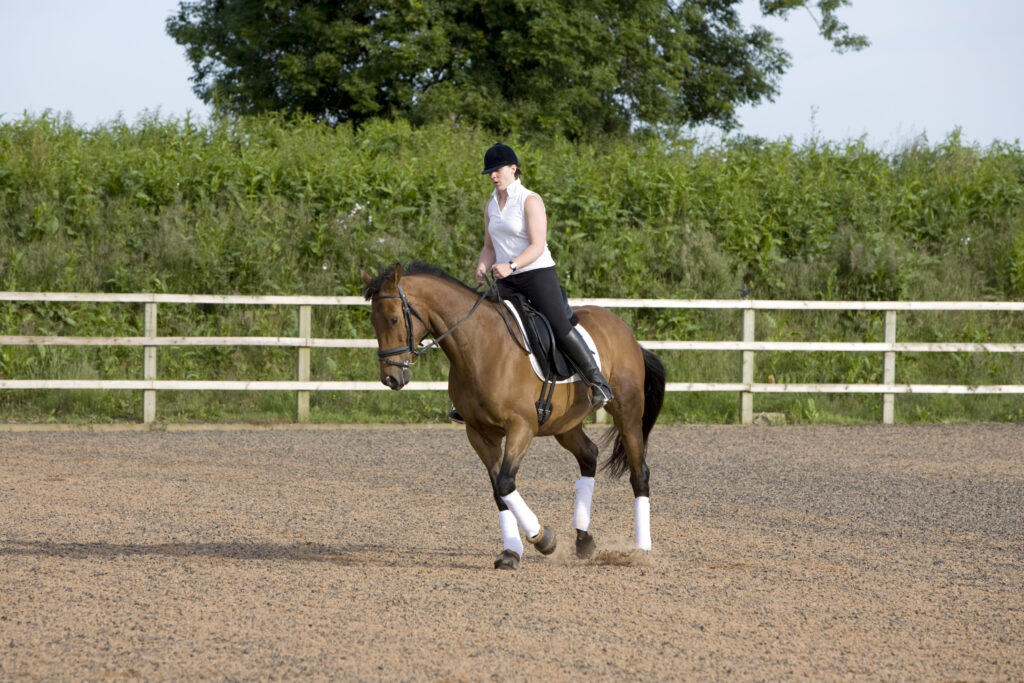
Before any trot-ups, lunging or nerve blocks, your vet will assess your horse standing. They are looking for visual cues as to why your horse is lame. These include muscle symmetry, conformation issues or obvious swelling or injury. Only after careful consideration at this stage will they start to examine the horse generally with their hands, assessing for heat pain, swelling and abnromal tissue distension.
This initial stage of the examination may provide crucial clues that helps them rule various structures in or out of the following stages.