Giving a history for your horse



Quiz
Could you spot these signs of lameness in your horse?
This quiz is educational, not diagnostic. It is here to help you spot common patterns owners often miss and feel more confident talking to your vet about what to do next.

Articles & Guides
Knowledge Hub
Owner-first guides to help you notice patterns, reduce worry and feel prepared for your next vet visit.

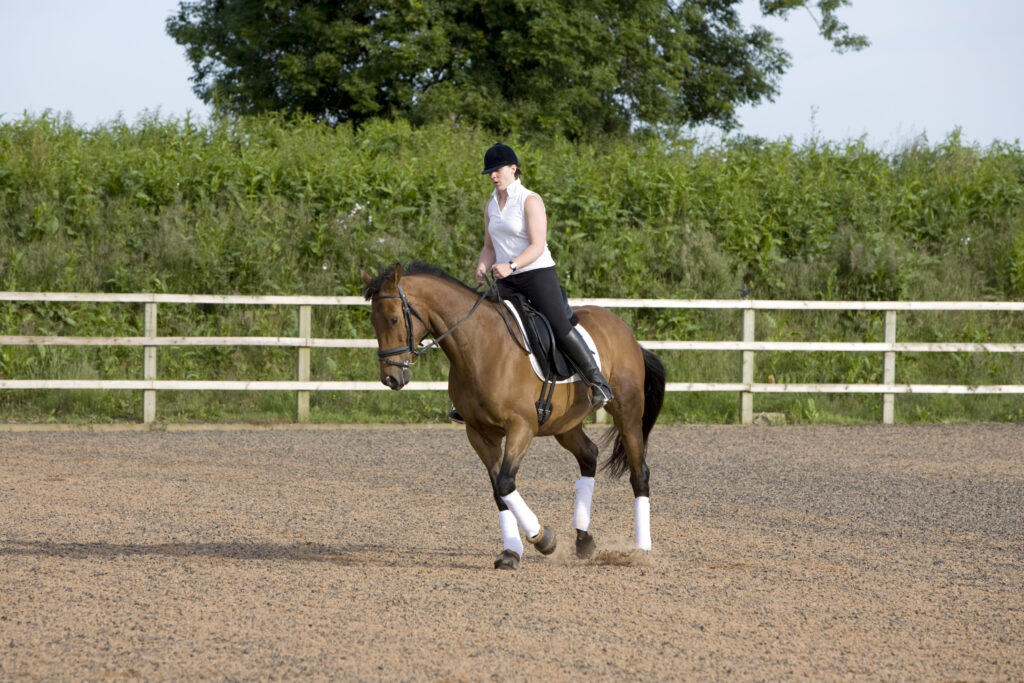
What are the risks of not getting a lameness diagnosis?
Treating without diagnosing can work. But it can also mean months of time, money and effort spent managing a problem rather than solving it, while the underlying cause quietly becomes harder to treat.

What are the risks of not getting a lameness diagnosis?
Treating without diagnosing can work. But it can also mean months of time, money and effort spent managing a problem rather than solving it, while the underlying cause quietly becomes harder to treat.
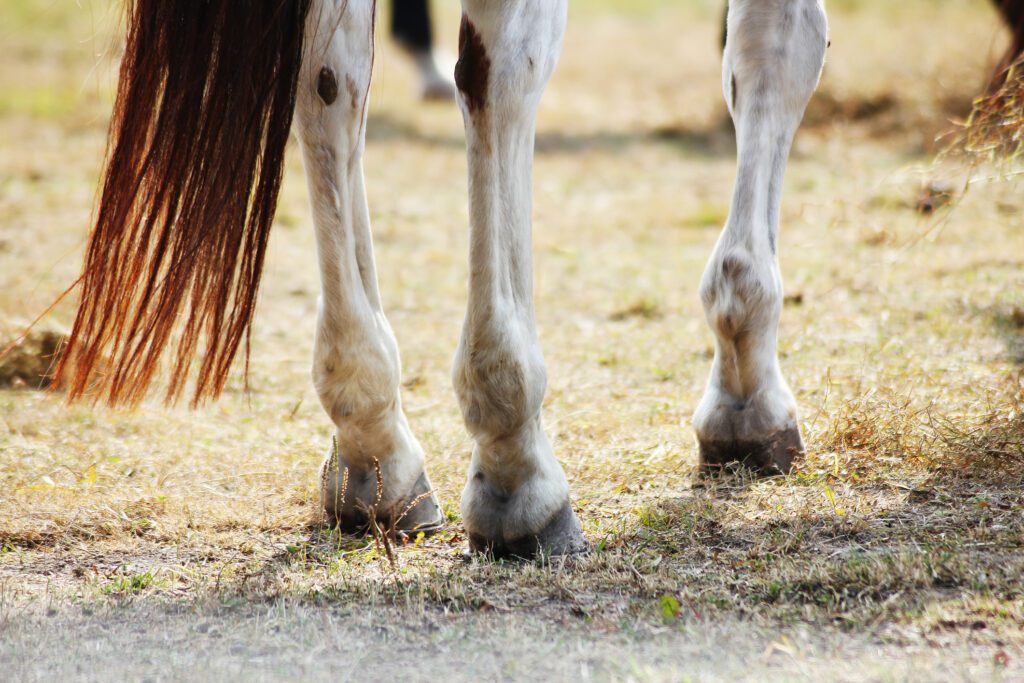
Proximal suspensory injuries in horses
Proximal suspensory injuries are a common cause of lameness and poor performance in horses. Clinical signs can vary depending on whether the forelimbs or hindlimbs are affected, and a thorough lameness examination is essential to localise the source of pain.