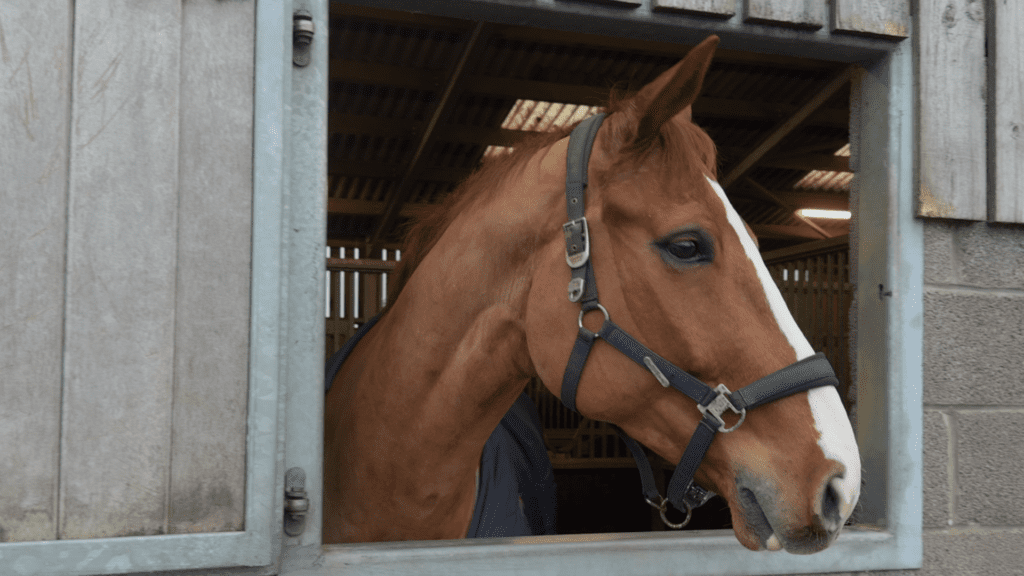
Ever get the feeling that your horse is not “quite right?” Well, the feeling is real, even when you can’t point to one clear moment where they look lame. The goal is not to diagnose at home. It’s to turn a vague worry into a clear, calm set of observations your vet can use.
1. Press pause: take the emotion out of the first check
Before you change everything at once, take a breath and do a quick reset. Ask yourself:
- What’s changed in the last 2-3 weeks if anything? Workload, surface, shoeing, turnout, feel, saddle, rider
- Is it worse on one rein, on a circle, or a firm surface, or when tired?
- Is it new, getting worse, or staying the same?
If your gut says your horse is in pain, or anything looks sudden or severe, call your vet sooner rather than later.
2. Do a simple, repeatable “baseline” check
You’re looking for patterns, not proof. In-hand (if safe) carry out the following checks:
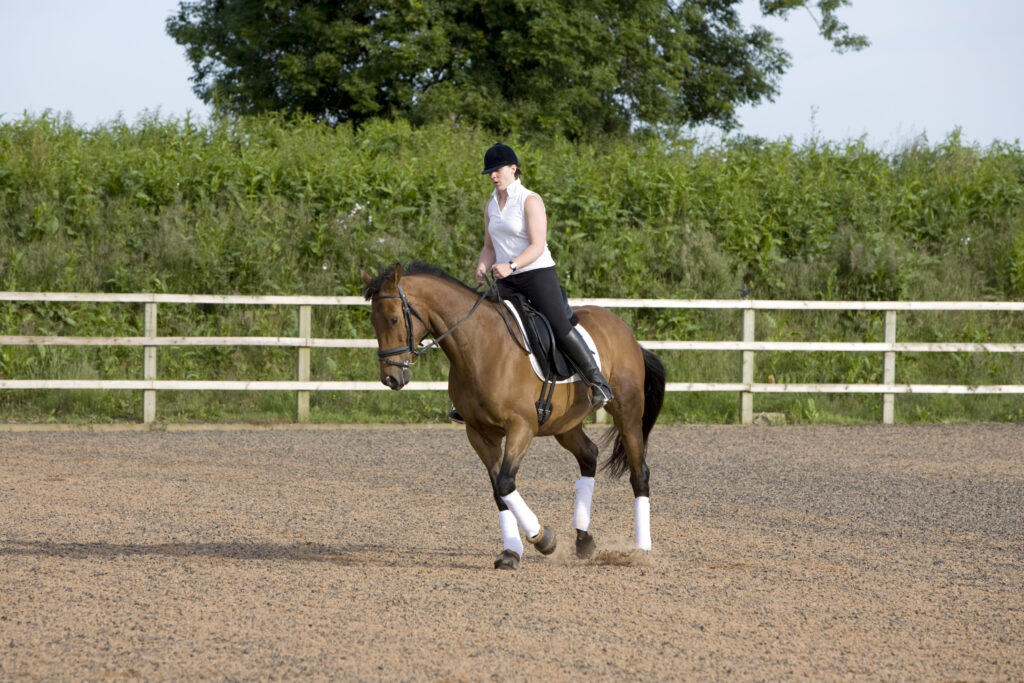
- Walk and trot in a straight line on a firm, level surface
- Turn each way and repeat
- Keep it short and consistent so you can compare day to day
If it shows up more clearly on a circle, note which rein and which surface. That detail is genuinely useful.
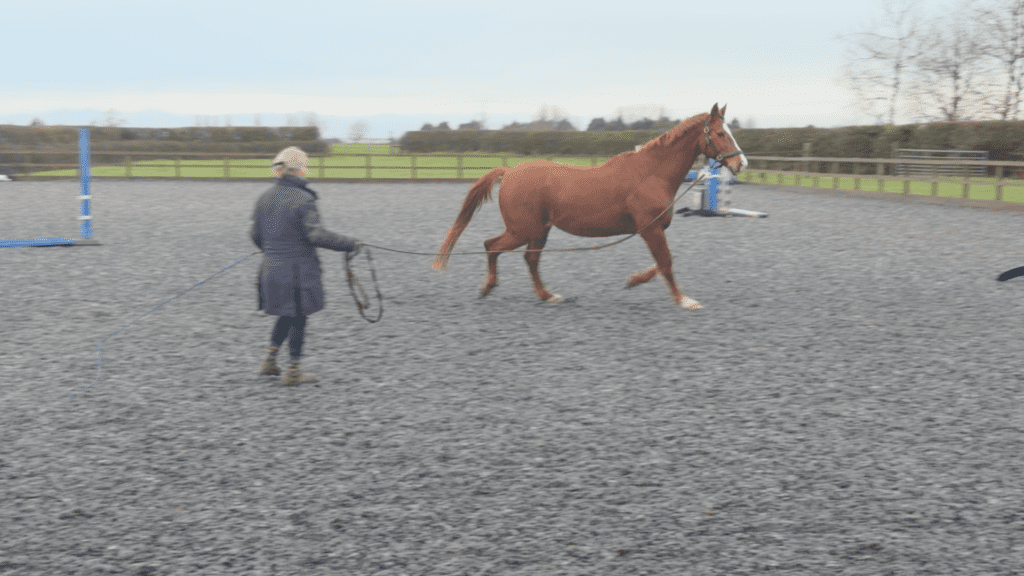
3. Film it and your vet will thank you
A good video means you get the chance to both “show and tell” the vet your findings and can save a lot of guesswork:
- Film short clips, not one long shaky video
- Get the side view, then from behind, then towards you
- Capture walk, trot, straight line, then a circle on each rein if you can do it safely
- Note the surface and whether it’s before or after warming up
“A lameness work-up is usually systematic. Your vet is narrowing down where the pain might be coming from, then choosing the right tools to confirm it.”

4. Start a 7-day notes log
This is where owners often make the biggest difference. Keep it simple:
- Date and what work they did
- Surface, rein, gait
- What you noticed
- Anything that seemed to help or worsen it
- Farrier date, any medication, any time off
You’re basically writing your horse’s lameness story, so your vet does not have to piece it together under pressure.
5. Book the vet conversation and bring a clear summary
When you speak to your vet, aim for:
- A one-minute summary of the issue
- Your videos
- Your 7-day pattern notes
- Two or three questions about next steps
If you want a starting point, the most helpful question is often: “What are we trying to rule in or rule out first?”
6. Understand the step-by-step approach so you don’t spiral
A lameness work-up is usually systematic. Your vet is narrowing down where the pain might be coming from, then choosing the right tools to confirm it. That can include in-hand assessment, circles, flexions, hoof testing, nerve blocks and imaging depending on what they find.
This is why it can feel slow. It’s not dithering. It’s precision.
7. If imaging is mentioned, keep it in the “what question are we answering” frame
Sometimes your vet can identify the cause with clinical examination and first-line imaging such as X-ray or ultrasound. Sometimes they need more detail to guide treatment and rehab.
MRI may come up when the picture is still unclear, or when your vet needs to see structures that can be difficult to assess fully with other tools. Standing equine MRI is non-invasive, completely safe and is commonly done with the horse standing and mildly sedated.
If MRI is suggested, useful questions are:
- What do you suspect and what would MRI confirm or rule out?
- What would change in the plan if we had that information?
- Are there other options that make sense first?
8. Give yourself a clear action list
If you only do three things, then do these:
- Film 2 short clips: straight line trot, then a circle each rein if safe
- Write a 3-line note: when it started, when it is worse, what has changed
- Speak to your vet if you are worried, or if it is new, persistent, or getting worse
Want a simple tool you can print? Download our crib sheet on how to talk to your vet about what’s next:
Talk Lameness advocate and contributor – Jackie Potts – shares her top tip on getting to know your horse and we’re loving her sound advice:
“Just get to know your horse. Treat them as individuals. That’s how they learn to trust you.”
Learn what they like and don’t like. And don’t move the goalposts.”
Jackie Potts, Groom to William Fox-Pitt, BEF Groom of the Year 2006 and FEI Best Groom in 2014.
Read more about her incredible career here >>
Footnote
Lameness diagnosis is important for both you and your horse. As an owner, recognising and diagnosing lameness is crucial to ensuring your horse’s long-term soundness. Early diagnosis provides clarity, reduces stress, and helps you and your vet to make informed decisions to support your horse’s health.