Getting your lameness questions answered
That uneasy feeling that your horse is “not quite right” can sit with you for weeks. They’re not obviously lame. They’re still keen. But something feels off, and you can’t quite explain why.
This is often the hardest place for a horse owner to be: concerned, observant, doing their best, but still feeling uncertain. Wanting answers doesn’t make you over‑cautious. It makes you a responsible owner who cares about the long‑term welfare of your horse.
Finding a diagnosis isn’t about labels or worst‑case scenarios. It’s about clarity, confidence, and making decisions based on facts rather than guesswork. Let’s take a better look at why lameness diagnosis is important for both horse and owner.
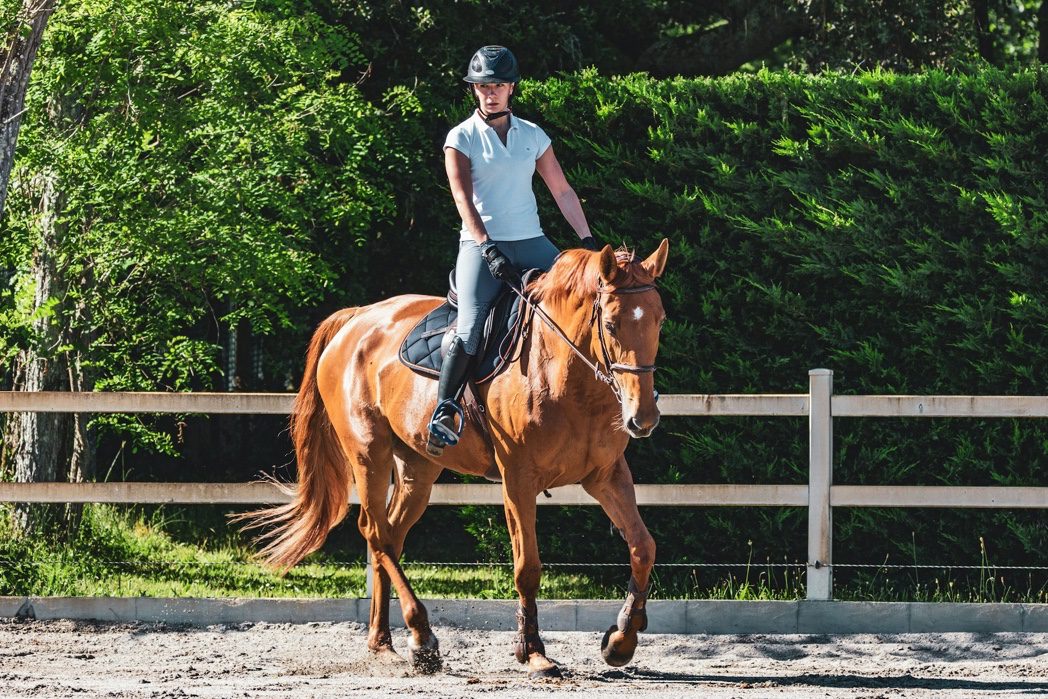
Reducing stress for you & your horse
Uncertainty is stressful, for both you and your horse. When there’s no clear explanation for a change, it’s easy to second‑guess yourself. You’re not alone if you find yourself thinking:
- Am I imagining it?
- Is this lameness serious enough that I should call the vet?
- Should I rest them, ride through it or change someting else?
Without a diagnosis, many horse owners fall into a loop of small changes. Often, they try what feels most obvious: less work, different surfaces, new shoeing, or a few days off in the hope that the issue will quietly resolve. Sometimes it does. Often, it doesn’t.
The longer uncertainty continues, the harder it becomes to know what’s helping, what’s not and whether an underlying lameness issue is slowly getting worse. A diagnosis helps break that cycle.
“The real value of diagnosing lameness in horses is not just knowing what’s wrong but knowing what to do next. Once the source of pain is identified, you and your vet can work together.”

A lameness diagnosis turns worry into a clear plan
When you and your vet work together to identify the source of lameness you can:
- Choose the most appropriate treatment, rather than a general approach
- Avoid exercises or surfaces that could make the problem worse
- Set realistic timelines for rest, rehabilitation, or return to work
- Monitor progress with clearer expectations
Even when a diagnosis confirms something relatively minor, that reassurance matters. It allows you to move forward with confidence instead of questioning every decision.
Early diagnosis protects long-term soundness
Many lameness problems in horses begin subtly. A slight change in rhythm, reluctance on one rein, or loss of spark can be early signs of an issue that is still manageable if it’s addressed early.
Without a clear diagnosis:
- Pain can lead to compensation elsewhere in the body
- Mild injuries may progress into more complex problems
- Rehabilitation can take longer and feel less predictable
Finding the cause early doesn’t mean rushing straight to advanced tests. It means taking a step‑by-step‑step, evidence based approach to protect your horse’s long-term soundness.
Taking the emotion out of lameness decisions
We all know that owning a horse is emotional: it comes with the territory! But when information is missing, decisions are often driven by worry rather than clarity. It’s quite normal to feel:
- •Guilty about resting your horse
- •Afraid of uncovering something serious
- •Under pressure to keep going because they’re “not that lame”
A clear diagnosis helps replace that emotional load with facts. It gives you space to pause and ask the questions that really matter:
- What are we actually dealing with?
- What are the realistic treatment options?
- What happens if we wait, or do nothing for now?
That understanding makes it easier to make decisions you can stand by.
Imaging for a definitive diagnosis
Finding a diagnosis may involve imaging which, for some owners, can feel daunting. But imaging isn’t about jumping ahead or over investigating. It’s about answering specific questions when a clinical examination alone doesn’t provide enough information. Your vet may recommend imaging to:
- Confirm which structure is causing pain
- Assess tissues that can’t be fully evaluated externally
- Decide between different treatment or rehabilitation pathways
X‑ray and ultrasound are commonly used as first‑line imaging tools for many causes of lameness. For example, changes to bone such as arthritis, fractures, or bone ‘chips’ can often be clearly identified on X‑ray, and this may be enough information for your vet to plan treatment and management.
In some cases, CT may be appropriate when certain conditions are suspected, such as complex fractures or changes within the foot and fetlock that are difficult to fully assess with X‑ray alone. These options are chosen carefully and only when they are likely to add useful information.
When lameness persists, and the problem hasn’t resolved with conservative treatment, MRI might well be the answer. It provides detailed insight into soft tissue, bone, and joint injuries and is often referred to as “the gold standard” in diagnostic imaging. Used extensively in human medicine – and particularly for sports injuries – MRI can offer the same level of information for your horse’s lameness. It’s invaluable in getting to the root of the problem, enabling a diagnosis to be made and a treatment plan put into place.
The key question is always: what are we trying to confirm or rule out?
A diagnosis will support better conversations
Vets don’t expect horse owners to diagnose lameness themselves. What they do value however is clear observation, good communication, and shared decision-making. Being able to tell your horse’s lameness story is key; understanding why finding a diagnosis matters will help make conversations with your vet far more productive:
- You can explain what you’ve noticed with confidence
- You can ask informed questions about next steps
- You can better understand the reasoning behind recommendations
This turns the process into a partnership, rather than something you’re left trying to unravel on your own. Just as with your own health, involving the right expertise at the right time supports more effective treatment and rehabilitation.
Being a proactive horse owner
Be confident in wanting to find the answers! It doesn’t mean you’re overreacting. It means you’re taking your responsibility seriously. Finding a diagnosis will mean:
- Showing respect for your horse’s comfort and welfare
- Helping prevent small issues from becoming bigger ones
- Giving you the best chance of a sound, happy horse
Most importantly… it replaces doubt with direction.
The takeaway
If your horse doesn’t feel quite right, you don’t need to have all the answers. You just need the confidence to start the conversation.
Finding a diagnosis shouldn’t be about fear or frustration. But a better understanding of what’s going on will allow you, your vet, and your horse to move forward together. Because a sound horse starts with informed decisions.
– TALK LAMENESS – ASK QUESTIONS – SEEK CLARITY –
Want to keep up to date with the latest? Sign up below…
Footnote…
Lameness diagnosis is important for both you and your horse. As an owner, recognising and diagnosing lameness is crucial to ensuring your horse’s long-term soundness. Early diagnosis provides clarity, reduces stress, and helps you and your vet to make informed decisions to support your horse’s health.