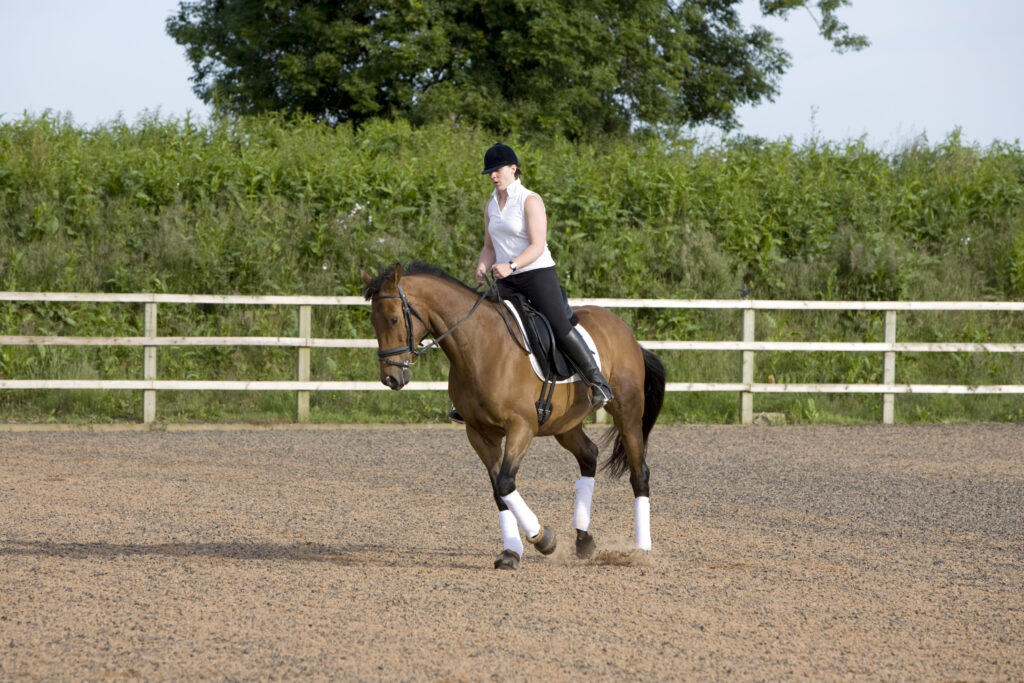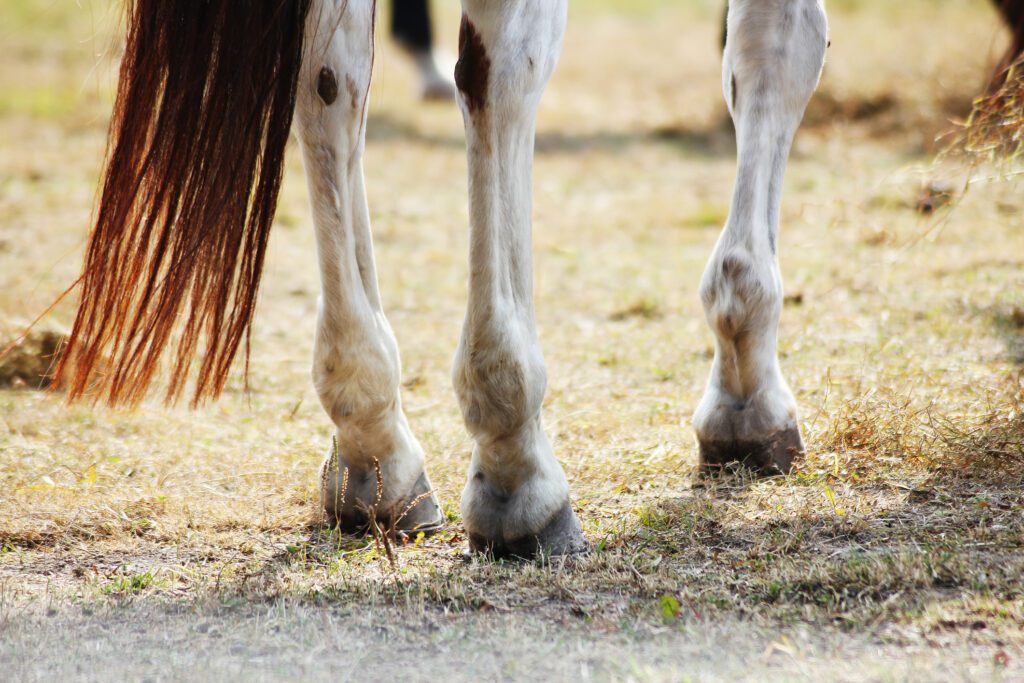
Your vet can watch your horse move, feel for heat and swelling, and flex the joints. But often, the source of pain isn’t obvious. The horse can’t tell us “it’s my fetlock” or “it’s deep in my heel.” So how do we find out?
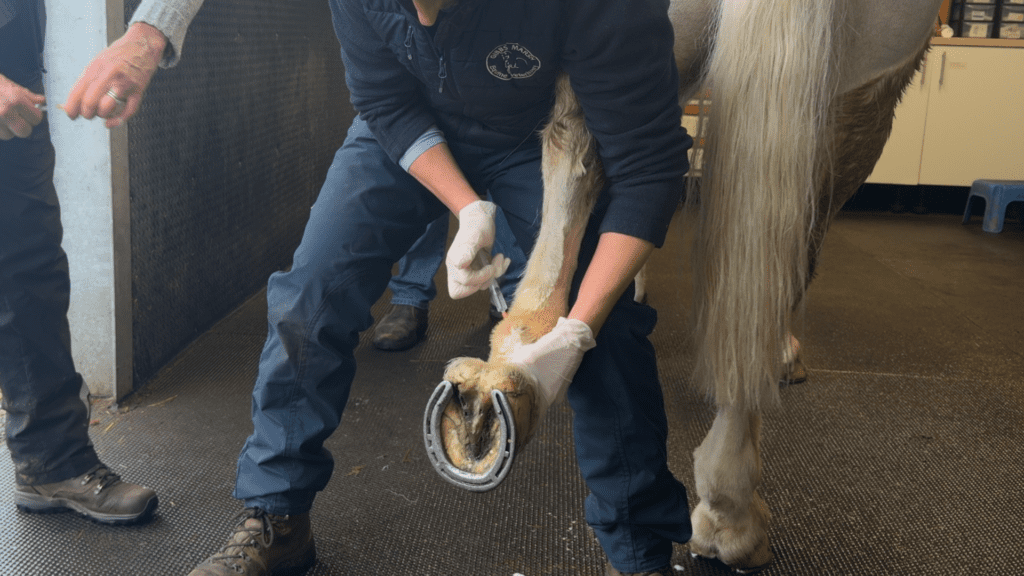
This is where nerve blocks come in.
Nerve blocks – or “diagnostic analgesia” as vets call it – are one of the most important tools in the lameness investigation. By temporarily numbing specific areas of the limb, your vet can work out exactly where the pain is coming from.
Think of it like this: if the lameness disappears when a certain area is blocked, that’s where the problem is hiding.
In this webinar, we’ll walk you through the process in plain, owner-friendly terms.
You’ll learn:
- What nerve blocks actually are – and how they work
- Why vets use them – the logic behind “switching off” areas of the limb
- What happens on the day – the step-by-step process
- What your vet is looking for – how they interpret the results
- Perineural vs joint blocks – the difference between blocking nerves and blocking joints
- What happens next – how nerve blocks guide the next steps in diagnosis
Nerve blocks are a safe, routine part of lameness investigation – and understanding how they work helps you follow your vet’s thinking and stay involved in the process.
When you know where the pain is, you’re one step closer to knowing why.